 Save
Save My daughter called me three weeks before graduation to ask if I could make her cake. Not buy it—make it. There's something about that request that stops you cold, because suddenly you're not just baking, you're marking a moment that won't come around again. I'd made plenty of cakes before, but this one needed to feel special, to look like the achievement it was celebrating. That's when I decided on the gold foil, the diploma topper, the whole elegant package.
I remember standing in my kitchen at 6 a.m. on graduation day, crumb coat chilling in the fridge, knowing I had maybe four hours before people arrived. My hands were shaking slightly—not from nerves, but from that strange mix of pride and pressure that comes with wanting something to be perfect for someone you love. When I pressed that first piece of gold foil onto the frosting and it caught the kitchen light, I actually smiled out loud.
Ingredients
- All-purpose flour (2 ½ cups): The foundation of your cake structure—make sure it's fresh and aerated by sifting, which gives you a lighter, more delicate crumb that melts in your mouth.
- Baking powder (2 ½ tsp): This is your leavening agent, the thing that makes the cake rise and stay tender; don't skip it or substitute it with baking soda unless you adjust the other ingredients.
- Salt (½ tsp): A pinch of salt might seem insignificant, but it actually balances the sweetness and makes the vanilla flavor sing much louder.
- Unsalted butter for cake (1 cup): Softened butter creams better than cold butter, trapping air that becomes those lovely crumb pockets in your finished cake.
- Granulated sugar (2 cups): This doesn't just sweeten—it also helps the batter incorporate air, which directly affects how tall and fluffy your cake rises.
- Large eggs (4): Room temperature eggs blend seamlessly into the batter and create a richer, more stable emulsion than cold eggs do.
- Vanilla extract (1 tbsp for cake, 2 tsp for frosting): Pure vanilla is worth the investment; the imitation stuff never has the same depth of flavor, and you'll taste the difference.
- Whole milk (1 cup): Room temperature milk alternates with dry ingredients to create a tender crumb and keep the batter balanced throughout mixing.
- Unsalted butter for frosting (1 ½ cups): Softened and beaten until pale, this creates the silky-smooth frosting that makes people close their eyes when they taste it.
- Powdered sugar (5 cups): Sift it before measuring to avoid lumps that will streak your frosting with gritty bits.
- Heavy cream or whole milk (3–4 tbsp): This adjusts the consistency of your frosting to perfect spreadability; start with less and add gradually.
- Edible gold foil sheets: These are pure magic for celebrations—delicate, beautiful, and they make the cake look like you spent hours on the details when it only takes minutes.
- Diploma cake topper: Whether store-bought or homemade from fondant, this becomes the focal point that says what this cake is celebrating.
Tired of Takeout? 🥡
Get 10 meals you can make faster than delivery arrives. Seriously.
One email. No spam. Unsubscribe anytime.
Instructions
- Get your mise en place ready:
- Preheat your oven to 350°F and grease those two 9-inch round pans with butter or non-stick spray, then line the bottoms with parchment paper so your cakes slide out without sticking. Room temperature ingredients—eggs and milk especially—make a huge difference in how evenly everything blends together.
- Mix the dry ingredients:
- Whisk together your flour, baking powder, and salt in a medium bowl, making sure the baking powder distributes evenly so you get consistent rise throughout both cakes. This takes maybe two minutes but it's worth doing right.
- Cream the butter and sugar:
- Beat your softened butter and sugar together on high speed for about 3 to 4 minutes until it looks pale, fluffy, and almost cloud-like. You're incorporating air here, which is the whole secret to a tender, light cake.
- Add eggs one at a time:
- Drop each egg in individually and beat well after each one—this takes patience but it ensures the batter stays emulsified and smooth. If you dump all four eggs in at once, you risk ending up with a separated, grainy batter.
- Stir in the vanilla:
- Mix in that vanilla extract until it's fully incorporated—it should smell absolutely wonderful at this point.
- Alternate dry and wet ingredients:
- This is important: start with some of your flour mixture, then add some milk, then more flour, ending with flour. Mixing this way prevents overmixing the batter, which would make your cake tough instead of tender.
- Divide and bake:
- Pour the batter evenly between your prepared pans and smooth the tops gently with a spatula. Bake for 28 to 32 minutes—you'll know it's done when a toothpick inserted in the center comes out clean or with just a few crumbs clinging to it.
- Cool and turn out:
- Let the cakes sit in their pans for 10 minutes, then run a thin knife around the edges and turn them out onto cooling racks. This prevents them from baking further in the warm pans and becoming overcooked on the edges.
- Make the buttercream:
- Beat softened butter on high speed for about 3 minutes until it's pale and fluffy, then gradually add your sifted powdered sugar a little at a time so it doesn't cloud the whole kitchen. Add vanilla, salt, and just enough milk or cream to reach that perfect spreadable consistency—too thick and it tears the cake, too thin and it slides right off.
- Level your cake layers:
- If your cakes domed on top, use a serrated knife to gently shave off the dome so both layers are flat and stack evenly. This prevents your finished cake from leaning like the Tower of Pisa.
- Build the cake:
- Place the first layer on your serving plate, spread a generous layer of buttercream on top, then carefully place the second layer on top of it. Press down gently and smoothly.
- Apply the crumb coat:
- Spread a thin layer of frosting all over the entire cake—this seals in any loose crumbs and makes your final frosting layer look pristine. Chill this for 30 minutes so the frosting firms up.
- Final frosting:
- Once the crumb coat is set, apply your final, beautiful layer of buttercream, using an offset spatula to smooth it as much as you like. Some people love a rustic, textured look; others prefer it perfectly smooth—both are gorgeous.
- Apply the gold foil:
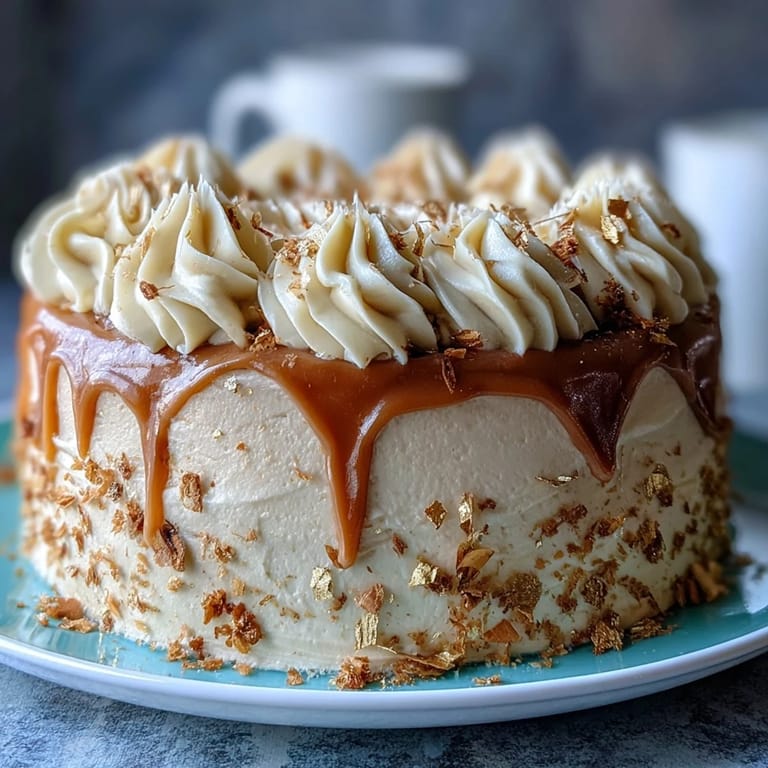
- Using clean tweezers or dry fingers, carefully place small pieces of edible gold foil onto the frosted cake, pressing gently so they stick. Work slowly and let the light catch the foil—you're creating something that looks celebratory and luxe.
- Top with the diploma:
- Place your diploma topper at the center or to one side of the cake, add any sprinkles or confetti if you like, then chill briefly to set everything before serving.
 Save
Save Watching my daughter's face light up when she saw that cake—the gold catching the light, the diploma topper perfectly centered—that moment made every careful step worth it. She said it was too pretty to cut into, but then her friends descended on it anyway, and that's when you know you made something right.
Flavor Variations and School Spirit
The beauty of this vanilla cake is that it's a blank canvas for whatever matches your graduate's personality or their school colors. I've added almond extract to the batter for a subtle nod to almond cake elegance, and you can absolutely do that by stirring in an extra teaspoon. For the frosting, gel food coloring in school colors swirled through white buttercream creates layers of meaning—it's not just a beautiful cake, it's their cake, specifically theirs.
Some families have traditions tied to flavors, and there's something really special about baking something that connects to your family's story. If someone in your circle prefers chocolate, you could make two chocolate layers with vanilla frosting, or vice versa. The structure and decorating technique stays exactly the same, so you're still getting that elegant celebration cake—just with the flavor that matters most.
Decorating Strategies and Timing
Timing is everything when you're making this cake on the day of the party. I learned to bake my cakes the day before, let them cool completely, wrap them tightly, and refrigerate them overnight—they're more stable that way and easier to frost. The morning of the celebration, I made the buttercream, frosted, chilled, then did all my gold foil decorating and topper placement in the last two hours before guests arrived. This rhythm keeps you from feeling panicked.
The gold foil really does need dry conditions to stick properly, so avoid a steamy kitchen—that means finishing your dishes and wiping down surfaces before you start decorating. If you're doing this in humidity, have a small bowl of uncooked rice nearby to absorb moisture in the air; it sounds wild but it actually works. The diploma topper can go on at any point, but I prefer putting it on last so I'm not accidentally bumping it while I'm working on the frosting.
Making It Celebratory Beyond Just the Cake
The cake is stunning, but what turns it from a beautiful dessert into a memory is the moment around it. I paired this cake with sparkling cider for younger graduates and champagne for older ones, and something about clinking glasses while looking at that gilded cake made the moment feel official, like we were all acknowledging this achievement together. You could also have a small moment where the graduate makes a wish before you cut it, or write their name on the table in gold leaf, or play a meaningful song—small touches that make the dessert part of a larger celebration.
- Plate each slice carefully and present it with intention; this cake deserves that moment of appreciation.
- Have cold milk, coffee, or tea ready because this is a rich, sweet cake that pairs beautifully with something cool and comforting.
- Take photos before anyone cuts into it so you have that moment captured forever.
 Save
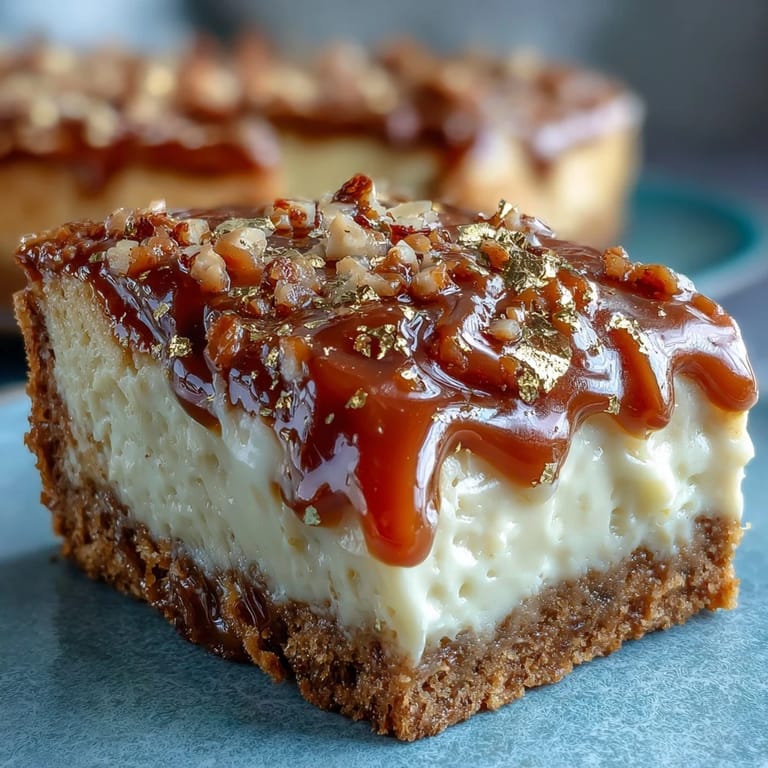
Save This cake is about more than vanilla sponge and buttercream—it's about showing up for someone on their big day and putting your care right there on the plate. If this is your first time making an elegant graduation cake, you're going to do beautifully.
Recipe Questions & Answers
- → How is the vanilla sponge prepared?
The sponge is made by combining all-purpose flour, baking powder, salt, butter, sugar, eggs, vanilla, and milk to create a light, fluffy batter that bakes evenly in round pans.
- → What makes the buttercream smooth and creamy?
Beating softened unsalted butter on high speed before gradually adding sifted powdered sugar, vanilla, salt, and milk creates a silky, spreadable buttercream.
- → How do you apply edible gold foil to the cake?
Use tweezers to carefully lift and place delicate gold foil sheets onto the chilled frosting for a refined, luxurious finish without tearing.
- → Can the diploma topper be homemade?
Yes, the topper can be crafted from fondant or paper, decorated with edible markers for a personalized touch that complements the cake’s theme.
- → What are some tips for decorating with sprinkles or confetti?
Apply these decorations sparingly after placing the topper to add visual interest without overwhelming the gold accents or smooth frosting.