 Save
Save My sister called me three weeks before graduation with a request that made me nervous: she wanted me to bake her cake. Not just any cake, but a two-tier masterpiece topped with balloons in her school colors. I'd never attempted anything that ambitious before, but hearing the excitement in her voice made me determined to try. That first time I creamed the butter and sugar together, watching it transform from grainy to impossibly fluffy, I realized this cake wasn't really about technique—it was about showing up for someone on their big day.
I'll never forget the moment I carefully lowered that smaller tier onto the larger one, hands shaking slightly as I positioned it just right. My niece stood in the kitchen doorway, completely quiet for a beat, then let out this little gasp that made all the flour-covered chaos worth it. That cake became the centerpiece of her party, and people spent more time taking pictures of it than eating it—which was fine by me because I'd made extra layers just in case.
Ingredients
- All-purpose flour: The foundation of a tender crumb; sifting it isn't strictly necessary but does help prevent lumps and creates a lighter texture.
- Baking powder: Your leavening agent that makes the cake rise beautifully; check the expiration date because old baking powder won't perform.
- Unsalted butter, room temperature: Room temperature is non-negotiable here; cold butter won't cream properly and you'll end up with a dense cake instead of the fluffy texture you're after.
- Granulated sugar: Creamed with butter, this creates the air pockets that give the cake its tender structure.
- Large eggs, room temperature: Cold eggs can cause the batter to break or curdle, so pull them out of the fridge at least 30 minutes before starting.
- Pure vanilla extract: The flavor backbone; I learned to always use pure over imitation after a batch that tasted vaguely plastic.
- Whole milk, room temperature: The moisture that keeps this cake from drying out even the next day.
- Powdered sugar, sifted: For the frosting; sifting removes lumps that can give your buttercream a grainy texture no amount of beating will fix.
- Gel food coloring: Much better than liquid food coloring because it doesn't thin out your frosting; I learned this the hard way when my pastels turned into muddy puddles.
- Balloon cake toppers: These are the party, honestly; they transform something homemade into something celebratory in seconds.
Tired of Takeout? 🥡
Get 10 meals you can make faster than delivery arrives. Seriously.
One email. No spam. Unsubscribe anytime.
Instructions
- Prepare your pans and preheat:
- Set your oven to 350°F and grease both the 8-inch and 6-inch round pans, lining them with parchment paper so nothing sticks. Having everything ready before you start mixing is the difference between smooth sailing and a last-minute scramble.
- Combine your dry ingredients:
- Whisk together the flour, baking powder, and salt in a medium bowl; this prevents lumps and distributes the baking powder evenly. Set this aside and forget about it for a moment.
- Cream butter and sugar into fluffy clouds:
- In a large bowl, beat room-temperature butter and sugar for 3 to 5 minutes until it becomes pale and noticeably fluffy; this is where the magic starts, as you're literally incorporating air into the batter. Don't rush this step—it's creating the structure that will make your cake tender.
- Add eggs one at a time:
- Beat in each egg fully before adding the next one; this emulsifies the batter and keeps it smooth and cohesive. If you dump all the eggs in at once, you risk a broken, separated batter that bakes unevenly.
- Mix in vanilla:
- Pour in the vanilla extract and beat until it's evenly distributed throughout the butter mixture.
- Alternate flour and milk in three additions:
- Switch your mixer to low speed and add one-third of the flour mixture, then half the milk, then another third of flour, then the remaining milk, then the final third of flour—always starting and ending with flour. This method prevents overmixing, which can develop too much gluten and make the cake tough.
- Divide batter between pans:
- Pour the batter into both the 8-inch and 6-inch pans, dividing it as evenly as you can so both cakes bake at similar rates. Gently tap each pan on the counter a few times to release any large air pockets.
- Bake with patience:
- Bake the 8-inch cakes for 35 to 40 minutes and the 6-inch cakes for 25 to 30 minutes, until a toothpick inserted in the center comes out clean or with just a few moist crumbs. The kitchen will smell absolutely incredible, and it's hard not to peek.
- Cool thoroughly:
- Let the cakes rest in their pans for 10 minutes, then turn them out onto wire racks to cool completely; rushing this step causes the delicate crumb to break apart. I usually make this my cue to start the frosting.
- Prepare the buttercream frosting:
- Beat room-temperature butter until creamy, then gradually add sifted powdered sugar, beating well after each addition to avoid lumps. Add vanilla, salt, and milk or cream one tablespoon at a time until you reach a smooth, spreadable consistency that's neither too stiff nor too soft.
- Tint with food coloring if desired:
- If you're using gel food coloring for school colors, add just a tiny dab at a time and beat until the color is even; gel colors are concentrated, so a little goes a long way. I usually add colors after the basic frosting is ready so I don't accidentally over-tint.
- Create the layers:
- Place one 8-inch cake layer on a cake board, spread a generous layer of buttercream on top, then crown it with the second 8-inch layer. Repeat this process with the 6-inch cakes.
- Apply the crumb coat:
- Frost both stacked cakes with a thin layer of buttercream to seal in crumbs, then refrigerate for 20 minutes so the base layer sets. This crumb coat is the difference between a beautiful frosting finish and visible crumbs showing through.
- Frost smoothly and stack:
- Apply the remaining buttercream to both cakes, using an offset spatula to create smooth sides and a flat top. Carefully center the 6-inch tier on top of the 8-inch tier, using dowels or food-safe straws inserted through the lower cake for structural support if you're worried about stability.
- Decorate with toppers and confetti:
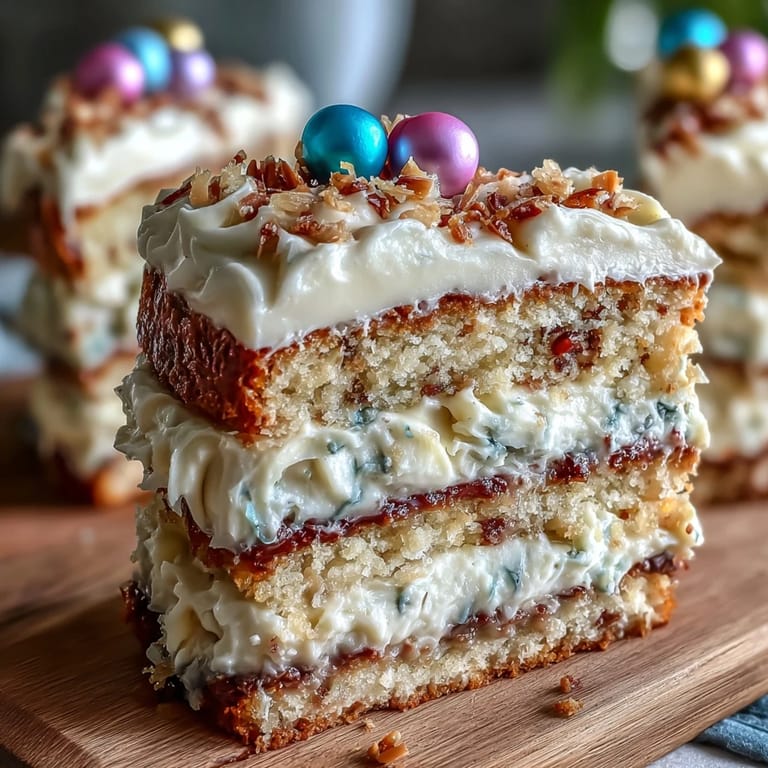
- Place your balloon toppers on top of the cake and scatter edible confetti or sprinkles around the base if you'd like; these finishing touches transform the cake into a celebration.
 Save
Save There's something profound about layering buttercream between two cakes you've baked yourself, knowing it's going to be the anchor of someone's celebration. My hands were genuinely trembling when I positioned those balloons on top, thinking about how this simple cake had somehow become a memory I'd remember for years.
The Secret to Moist Sponge
The milk in this batter is intentional—it's what keeps the cake impossibly moist even hours after baking. I used to make vanilla cakes that were fine by dinner but dry by the next morning, until I realized that a liquid-to-flour ratio this generous was the missing piece. The ratio of wet to dry ingredients creates a tender crumb that stays soft and won't go stale quickly, which is especially important if you're baking a day ahead.
Two-Tier Structure and Stability
The first time I stacked two cakes without dowels, I watched in real-time horror as the top tier slowly sank into the frosting beneath it over the course of an hour. After that near-disaster, I learned that cake dowels or food-safe plastic straws inserted through the lower cake create invisible support pillars that hold everything in place. Measure the dowels so they're just barely taller than the frosting layer, then insert them around the edges before stacking—this is the small detail that separates a cake that stays stacked from one that collapses mid-party.
Decoration Ideas and School Colors
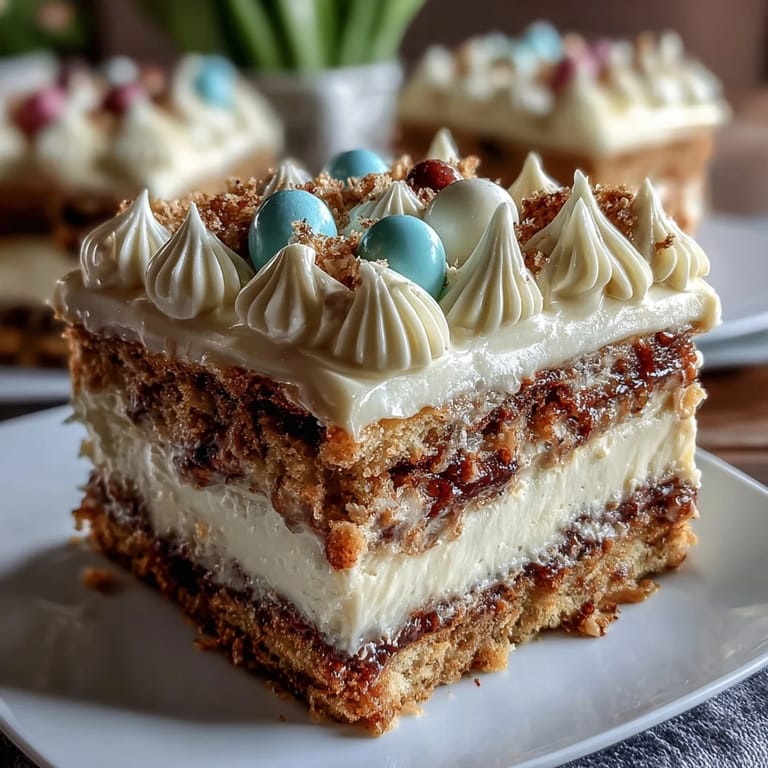
The balloon toppers are what made this feel special, but you can absolutely play with the color scheme beyond that. Consider tinting the buttercream in school colors, adding a coordinating ribbon around the base, or using edible markers to write a simple message or date. One friend of mine piped the graduate's initials on top with buttercream, which added a personalized touch that cost nothing extra but made the cake feel custom.
- Use gel food coloring instead of liquid for more vibrant shades that won't thin your frosting.
- If you're nervous about piping or decorating, keep it simple—a smooth frosting finish and the balloon toppers do most of the work.
- Fresh flowers or greenery placed around the base (not touching the frosting) can add elegance if balloons feel too casual for your celebration.
 Save
Save This cake is the kind of project that feels complicated until you're halfway through and realize you've got this. By the time you're placing those balloons on top, you'll understand why baking for celebrations is so rewarding.
Recipe Questions & Answers
- → How do I ensure the sponge cake layers stay moist?
Using room temperature ingredients like butter, eggs, and milk and mixing until just combined helps keep the sponge tender. Avoid overbaking by checking doneness with a toothpick.
- → What is the best way to achieve smooth buttercream frosting?
Beat the butter until creamy before gradually adding powdered sugar. Add milk or cream one tablespoon at a time to maintain a spreadable texture and finish by smoothing with an offset spatula.
- → How should I stack the two tiers securely?
Apply a thin crumb coat, chill the layers, then stack the smaller tier centered atop the larger one using cake dowels or straws for support to maintain stability.
- → Can I customize the cake colors?
Yes, gel food coloring can be added to the buttercream to match any desired color theme, ideal for coordinating with celebratory events.
- → What types of decorations are recommended for the topper?
Use balloon cake toppers made with food-safe sticks and mini balloons, along with optional edible confetti or sprinkles to enhance the festive appearance.