 Save
Save One spring morning, rays of sunshine streamed through my kitchen window, casting golden light across the counter where I first experimented with dandelion honey. The aroma of blooming grass outside seemed to mingle with the sweet floral notes as I measured ingredients for scones, curious if that wild honey could bring the taste of the garden indoors. Mixing the dough felt almost meditative, the way butter cold against my fingertips transformed by gentle pressing. That day, the silence was broken only by the soft thud of dough on the floured board and the bubbling excitement to see the result. As the scones baked, their scent promised something special—a treat best enjoyed with the windows open and spring in full swing.
I remember serving these scones to a small group of friends one rainy afternoon—teacups clinking over laughter and the warmth of the oven filling the room. When someone asked about the subtle flavor, I confessed it was dandelion honey, and the conversation turned to childhood memories of picking flowers. The batch disappeared quickly, crumbs dotting plates as we debated whether clotted cream or extra honey was the must-have topping. Baking for others that day, I realized how food can transform the mood, making even dreary weather feel cozy and bright. That moment cemented these scones as my go-to for impromptu gatherings.
Ingredients
- All-Purpose Flour: Gives the scones their tender structure; always sift for a lighter crumb.
- Granulated Sugar: Balances the honey's floral notes; I've found less is more for a not-too-sweet bite.
- Baking Powder: Ensures the scones rise beautifully; check your tin for freshness before starting.
- Fine Sea Salt: A tiny amount sharpens flavors; avoid over-salting to let honey shine.
- Unsalted Butter: Using it cold keeps the scones flaky; I cube it last to minimize handling.
- Dandelion Honey: The soul of the recipe; any mild honey works, but wildflower varieties add nuance.
- Whole Milk: Binds everything and gives richness; always use full-fat for best texture.
- Large Egg: Adds lift and moisture; beat well before mixing in.
- Clotted Cream: For serving; its thick, luxurious texture elevates every bite.
Tired of Takeout? 🥡
Get 10 meals you can make faster than delivery arrives. Seriously.
One email. No spam. Unsubscribe anytime.
Instructions
- Preheat & Prepare:
- Let's start by setting the oven to 400°F (200°C) and lining your baking sheet with parchment paper so cleanup is a breeze.
- Mix Dry Ingredients:
- In a roomy bowl, whisk the flour, sugar, baking powder, and salt; the mix should feel airy and free of lumps.
- Add Butter:
- Toss in the cold butter cubes and press them into the dry mix with your fingers until it resembles coarse breadcrumbs—don't rush, this step is key for flaky scones.
- Blend Wet Ingredients:
- In a second bowl, whisk honey, milk, and egg until completely combined and golden.
- Bring Dough Together:
- Pour wet ingredients over dry and stir gently with a fork; stop mixing as soon as everything comes together for a tender crumb.
- Shape & Cut:
- Turn the dough onto a floured surface, pat it out to 1-inch thick, then cut out rounds with your cutter—gathering scraps and re-shaping as needed.
- Finish & Bake:
- Brush the tops lightly with milk for shine and bake 12–15 minutes until golden and risen.
- Serve:
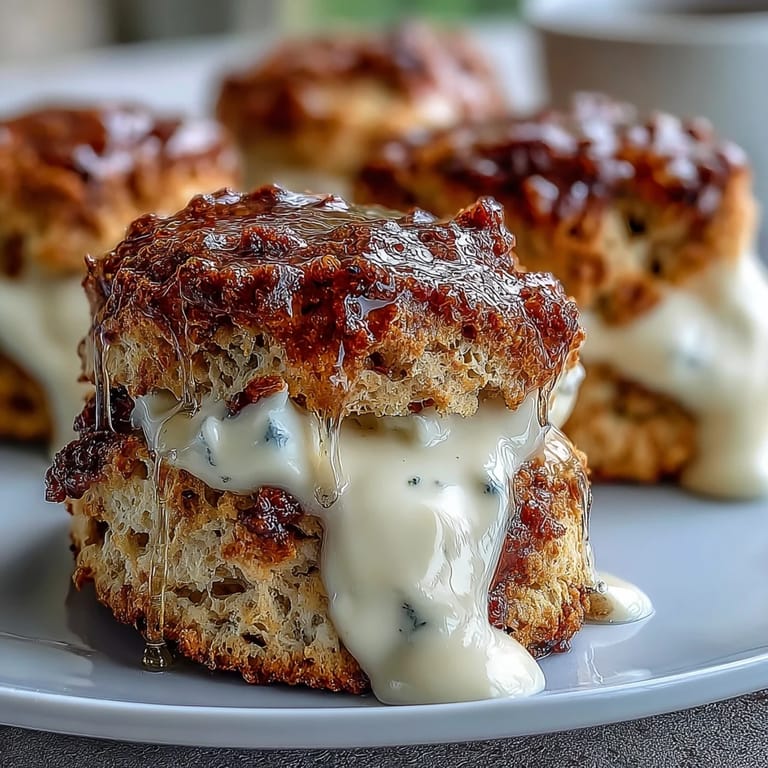
- Cool on a wire rack until just warm, then serve with clotted cream and an extra drizzle of honey—pause to admire the golden hue before digging in.
 Save
Save The first time I made these scones for an outdoor brunch, a bee hovered curiously at the open jar of honey, as if approving my ingredient choice. When everyone gathered around the garden table, they reached for seconds before even pouring themselves more tea. In the gentle noise of cups and cutlery, I felt proud—these scones had sparked cheerful chatter and satisfied appetites in equal measure. Sometimes a recipe becomes a centerpiece, not just a side. For me, that was the morning these spring scones took center stage.
What Makes Dandelion Honey Special
I learned that dandelion honey isn't just floral—it brings brightness and a hint of wildness that regular honey can't quite match. The delicate sweetness pairs beautifully with buttery scones and soft cream, creating a harmony that reminds me of wild meadows. If you can't find dandelion honey, any mild honey will do, but you'll miss an extra layer of spring in every bite.
Scone Texture Tips from My Kitchen
Working with cold ingredients is crucial—don't let the butter sit out longer than necessary. When mixing, I always use my hands for control, feeling when the dough is ready instead of relying solely on visuals. If the weather's humid, a dusting more flour can help scones stay crisp. Small tweaks keep them light and not gummy.
Serving Suggestions for Friends
Warm scones are irresistible, but don't hesitate to serve them at room temperature with extra honey on hand. To dress up the platter, scatter a few edible dandelion petals, or mix in mascarpone if clotted cream isn't available. Setting out little bowls for toppings invites guests to experiment and keeps the conversation lively.
- Keep scones loosely covered if not serving immediately.
- A squeeze of lemon brings out the honey flavor.
- Don't forget napkins—these scones can get delightfully messy!
 Save
Save Enjoy these scones as the centerpiece for your next casual get-together or afternoon break—their springtime charm is bound to bring a smile. Sharing them is half the pleasure.
Recipe Questions & Answers
- → How do I achieve tender scones?
Keep the butter cold and avoid overmixing the dough. Light handling ensures a soft texture.
- → Can I use regular honey instead of dandelion?
Yes, choose a mild-flavored honey to retain subtle sweetness if dandelion honey is unavailable.
- → What is the best substitute for clotted cream?
Thick crème fraîche or mascarpone offer similar richness and complement warm scones well.
- → How should scones be served?
Serve warm or at room temperature with clotted cream and a drizzle of honey for extra flavor.
- → Can these scones be made ahead?
They’re best fresh, but you can store them in an airtight container for up to 2 days.
- → Are there any allergen considerations?
Scones contain wheat, dairy, and egg. Always check honey and cream labels for possible allergen traces.