 Save
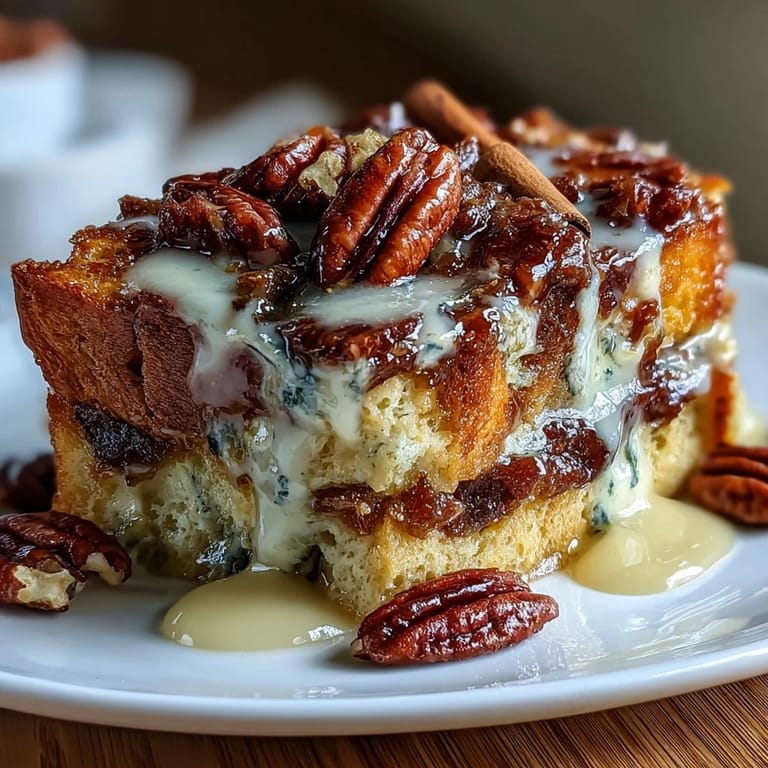
Save The smell of cinnamon and piloncillo bubbling away in my kitchen still stops me in my tracks, even though I’ve made capirotada dozens of times. The first encounter came with curiosity, when I was invited to a neighbor’s Lent dinner and the dessert landed on the table—its layers looked almost magical. My eagerness to taste was matched only by the warmth of conversation drifting through the room, and I found myself hooked on its sweet comfort. Making it myself, at first, meant balancing sticky syrup with flying raisins, laughter echoing as I tried to assemble it just right. Even now, each batch brings its own small surprises.
I remember making capirotada for the first time during a rainy Sunday when friends popped by unscheduled. We huddled around the oven, watching the cheese bubble and the syrup sizzle, telling stories while assembling the layers. Someone knocked their spoon onto the floor, but we all just laughed and kept going, gently pressing bread down with a spatula. When the pan finally came out, the scents seemed to gather us together—every bite felt like a reward for good company. It became the centerpiece of that afternoon, turning the simplest ingredients into something memorable.
Ingredients
- Bread: Day-old bread soaks up the syrup without turning mushy; I prefer bolillo but French bread or baguette also work well, just make sure it’s firm for toasting.
- Piloncillo: This unrefined sugar makes the syrup deep and complex; if you’re substituting with brown sugar, try to pack it tightly so the flavor stands out.
- Cinnamon sticks: Whole sticks infuse the syrup with a gentle spice—don’t swap in ground cinnamon if you can help it.
- Raisins: They plump up beautifully between the layers, giving bursts of sweetness; sometimes, I toss them in hot water to soften before layering.
- Cheese: Monterey Jack, mozzarella, or queso fresco melt into the bread—each brings a slightly different texture, but all give that signature gooeyness.
- Nuts (optional): Pecans or peanuts add crunch and richness; I learned to toast them lightly before sprinkling so their flavor shines through.
- Cloves: Three whole cloves help build flavor in the syrup but be sure to remove them before layering—one too many left behind and you’ll be finding them in your bite.
- Butter: For both greasing the pan and finishing the syrup—a touch of unsalted butter blends everything together.
- Sweetened condensed milk (optional): When I want extra richness, a quarter cup stirred into the syrup takes the dessert to another level.
Tired of Takeout? 🥡
Get 10 meals you can make faster than delivery arrives. Seriously.
One email. No spam. Unsubscribe anytime.
Instructions
- Prep the oven and dish:
- Set your oven to 350°F (175°C) and use a pat of butter to grease every nook of your baking dish—the bread won’t stick and cleanup will thank you later.
- Toast the bread slices:
- Arrange the bread on a baking sheet and toast for about 10–12 minutes, flipping halfway so each side turns a gentle shade of gold and feels crisp to the touch.
- Make piloncillo syrup:
- Combine piloncillo (or brown sugar), water, cinnamon sticks, and cloves in a saucepan; the sweet perfume escapes as you simmer, stirring until the syrup thickens slightly (about 10 minutes), then finish with a tablespoon of butter and fish out the sticks and cloves.
- Layer bread and fillings:
- Set half the toasted bread in the dish, sprinkle on raisins, cheese, and nuts, and drizzle with syrup—watch as the syrup soaks in and everything settles together.
- Repeat layering and soak:
- Finish layering with remaining ingredients, gently pressing down with a spatula so the flavors mingle and bread absorbs the syrup.
- Bake and finish:
- Cover with foil and bake for 20 minutes, then remove foil and continue for another 10 minutes—keep an eye out for bubbling cheese and golden edges.
- Let cool and serve:
- Give the dish about 10 minutes to cool, so everything firms up a little; serve warm or at room temperature, and enjoy the comforting aroma lingering around you.
 Save
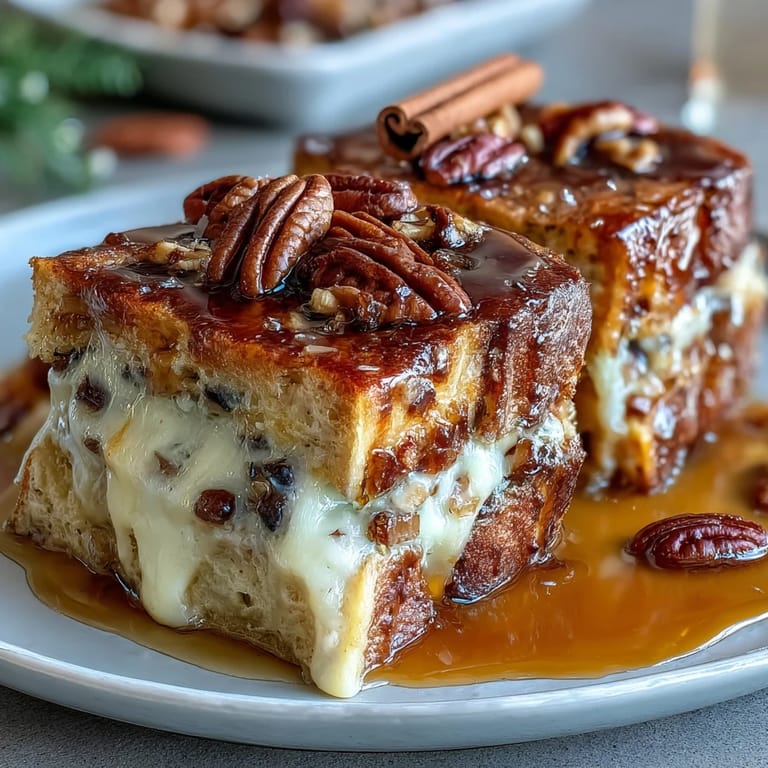
Save I still recall the first time my capirotada was met with silence—a roomful of guests tasting, then pausing as they savored every bite. It became a kind of hush that felt sacred, almost as if we were sharing more than dessert. That moment shifted how I thought about food, showing me how recipes invite connection far beyond flavor. Serving capirotada turned into a ritual for gatherings and goodbyes. Each time, the dish seemed to foster a little more warmth between us.
Make-Ahead and Storage Tips
Capirotada is surprisingly forgiving—once cooled, you can cover it and store in the fridge for up to three days. I’ve found that leftovers taste even better after the flavors have had time to meld, and a quick pass under the broiler brings back the gooey cheese and crisp top.
Substitution Suggestions
There’s room to play; dried cranberries or chopped apricots make wonderful alternate fillings, changing the sweetness and texture. Sometimes, swapping cheese options delivers new results—a saltier Cotija or queso añejo gives a bold finish.
Serving Ideas and Helpful Reminders
Pair capirotada with Mexican hot chocolate or fresh coffee for the kind of dessert that steals the show. Setting out bowls of whipped cream or vanilla ice cream transforms the pudding into a celebratory treat. A sprinkle of powdered sugar just before serving always gives it that extra touch of festivity.
- Don’t skimp on cinnamon—it’s the soul of the dish.
- If you add nuts, toast them first for deeper flavor.
- Let capirotada cool a bit before cutting for cleaner servings.
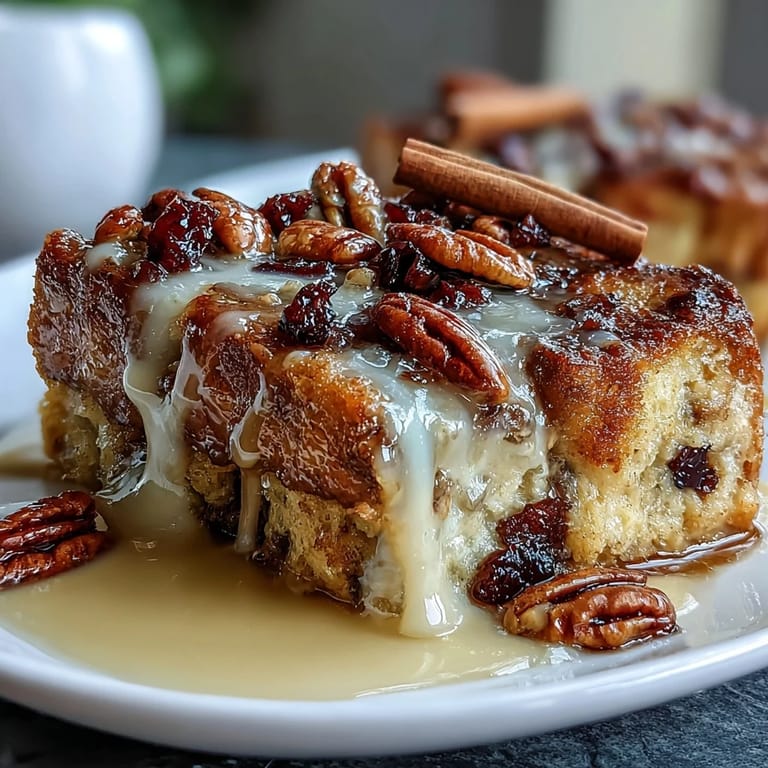 Save
Save The best moments happen around the table, where capirotada brings everyone closer—one warm serving at a time. I hope this recipe brings as much joy to your kitchen as it has to mine.
Recipe Questions & Answers
- → What type of bread works best?
Day-old bolillo, French bread, or baguette is ideal for good texture and soakage; avoid fresh bread for best results.
- → Can I substitute piloncillo?
Yes, packed dark brown sugar offers similar sweetness and depth if piloncillo is unavailable.
- → Is it possible to make it gluten-free?
Use gluten-free bread to accommodate dietary needs without sacrificing flavor or structure.
- → What cheeses are recommended?
Queso fresco, Monterey Jack, mozzarella, or Cotija for salty richness are traditional choices.
- → How should it be served?
Serve warm or at room temperature, often accompanied by hot chocolate or coffee.
- → Can I add other dried fruits or nuts?
Definitely—try cranberries, apricots, pecans, or peanuts for extra flavor and texture variety.