 Save
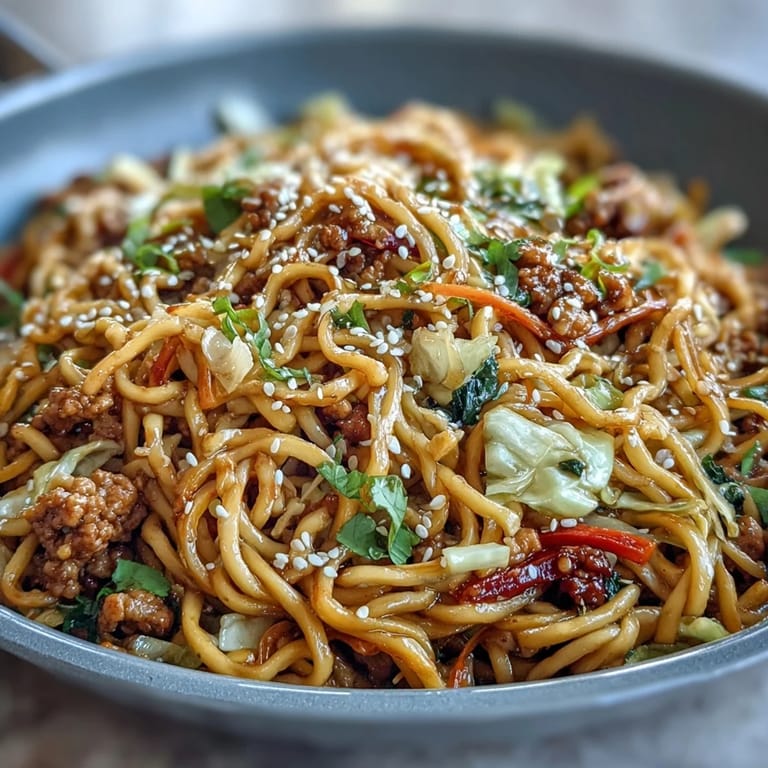
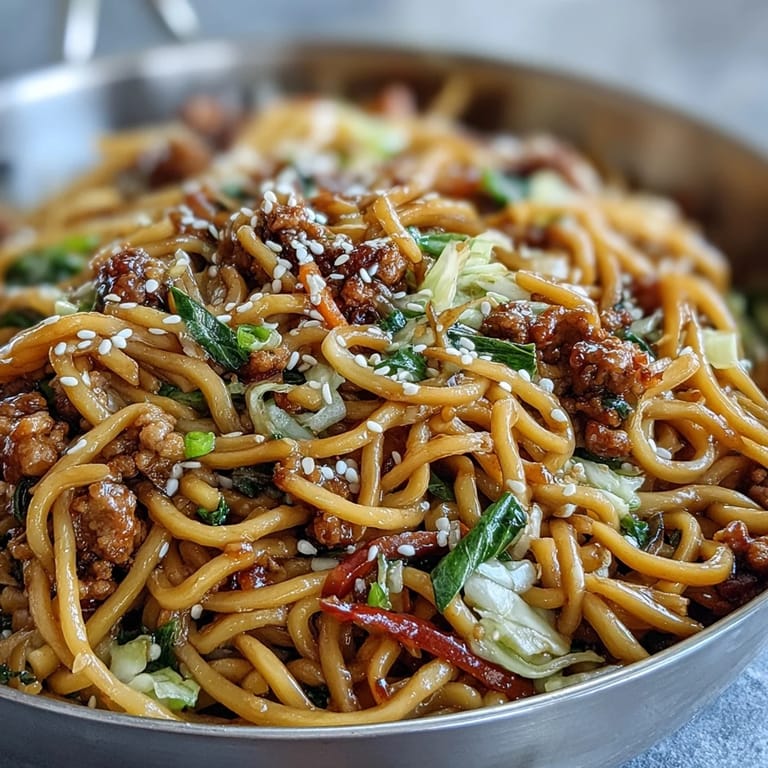
Save My neighbor knocked on my door one Tuesday evening with a bag of gochujang and this wild energy about Korean fusion cooking. She'd just returned from Seoul and was determined to recreate street food at home, but with ground turkey instead of beef because that's what she had thawing. We ended up making this together in her tiny kitchen, and honestly, the noodles hitting that hot pan while we tossed everything made such a satisfying sound that we just kept laughing and doing it again. That first bite—spicy, garlicky, with those crisp vegetables still snapping between your teeth—changed how I think about weeknight dinners.
The first time I made this for a group, my sister arrived early and caught me frantically chopping vegetables while the noodles boiled over slightly. She just smiled and took over the prep while I focused on not burning the turkey, and by the time everyone showed up, the whole apartment smelled like garlic and sesame oil in a way that made people hungry the moment they walked in. That's when I realized this dish has a way of making people feel welcomed before they've even sat down.
Ingredients
- Ground turkey: One pound gets you a lean protein that absorbs the sauce beautifully without overwhelming the other flavors; I learned to not pack it down in the pan or it'll clump instead of crumble.
- Fresh or dried wheat noodles: Udon gives you chew, ramen offers snap—either works, but fresh noodles cook faster and have a silkier texture that clings to the sauce better.
- Shredded carrots: They add natural sweetness and stay crisp if you don't overcook them; I use a box grater because it's faster than a knife and my fingers have thanked me.
- Red bell pepper: Sliced thin so it softens just enough while keeping its structure and color.
- Small onion: Thin slices caramelize slightly in the hot pan and become almost sweet.
- Napa cabbage: This is the hidden texture player—it wilts just enough to become tender but doesn't disappear into mush.
- Green onions: Save half for garnish because fresh green onion on top of hot noodles tastes completely different than cooked into the dish.
- Soy sauce: The backbone of umami, though I always taste before adding salt to the plate because the gochujang and soy together pack a salty punch.
- Gochujang: Korean chili paste with depth that simple hot sauce can't match; I keep a container in my fridge now and use it in unexpected places.
- Sesame oil: A little goes a long way—the fragrance is almost floral, so drizzle it in slow and stop when you smell it, not when you think you've measured enough.
- Brown sugar: Just a tablespoon balances the heat and saltiness with gentle sweetness that rounds out the whole sauce.
- Garlic and ginger: Minced fresh means they cook into the turkey and release their oils into the pan; I can always tell when someone's used powder instead because something vital is missing.
- Rice vinegar: The acid that makes everything taste brighter and keeps the sauce from feeling heavy.
- Toasted sesame seeds: The final flourish that adds nuttiness and a tiny bit of crunch that makes people pause and ask what just happened to the flavor.
Tired of Takeout? 🥡
Get 10 meals you can make faster than delivery arrives. Seriously.
One email. No spam. Unsubscribe anytime.
Instructions
- Make your sauce first:
- Whisk soy sauce, gochujang, sesame oil, brown sugar, minced garlic, rice vinegar, and ginger together in a small bowl until the paste loosens into a glossy sauce. This is your moment to taste it and adjust—if it's too salty, add a touch more brown sugar; too thick, a splash of water works.
- Cook the noodles:
- Boil them according to package directions, then drain and rinse under cold water immediately so they don't stick together in a sad clump. Cold water stops them from cooking further and gives you a cleaner texture to work with.
- Brown the turkey:
- Heat a large skillet or wok over medium-high heat with just a drizzle of oil, then add your ground turkey and let it sit for a minute before stirring—this browns it instead of just cooking it gray. Break it apart with your spatula as it cooks, and you'll know it's ready when there's no pink left and it smells almost nutty.
- Build the vegetable layer:
- Toss in your sliced onion, shredded carrots, and bell pepper strips, stirring constantly for about two minutes until they start to soften at the edges but still have some snap. Add the shredded cabbage and keep stirring for another two minutes—the pan will smell incredible right now, like a Korean restaurant kitchen.
- Bring it together:
- Pour in your prepared sauce and stir everything so every piece of turkey and vegetable gets coated in that glossy, spiced mixture. Let it bubble gently for about a minute so the flavors really meld.
- Add the noodles:
- Dump in your cooked noodles and toss everything together using tongs or two spatulas if you have them—this takes a minute or two, but you want every noodle kissed by that sauce. The whole skillet will shimmer and steam when you're done.
- Plate and finish:
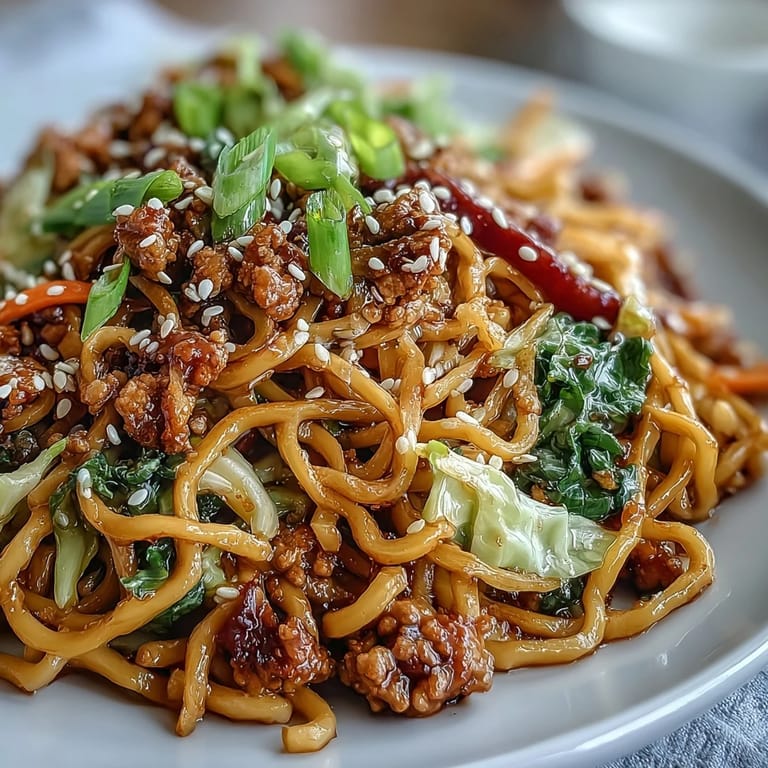
- Take it off the heat, divide among bowls, and scatter toasted sesame seeds and fresh sliced green onions over the top while everything's still steaming. The heat wilts those green onions just slightly while keeping them bright and fresh tasting.
 Save
Save There was this night when my kid asked for a second bowl without complaint, and my partner said it tasted like the street food we'd eaten in Korea years ago. That's the moment I understood this wasn't just a quick dinner—it was a memory we were all building together, one bowl at a time.
The Magic of Gochujang
Gochujang isn't just heat; it's a fermented depth that sits underneath the spice and makes people say the food tastes more interesting without being able to name why. I used to avoid it because the jar looked intimidating, but once I understood it's essentially chili, fermented soybeans, and salt, it made sense as the backbone of this whole dish. The paste dissolves into the sauce and creates this savory base that the sweetness and acid play against—it's what separates this from just throwing hot sauce on noodles.
Timing and Temperature Matter
This is a dish where cooking on medium-high heat and keeping everything moving is essential; if your pan cools down, the vegetables steam instead of stir-fry, and you lose that slightly charred, caramelized edge that makes the whole thing taste restaurant-quality. I learned this the hard way by cooking on medium once, watching the vegetables surrender to the liquid, and ending up with something that tasted more like soup than the crisp, coated noodle dish I was after. High heat, quick movement, and confidence in your timing transform simple ingredients into something that feels showstopping.
Room for Improvisation
This recipe is sturdy enough to handle substitutions but structured enough that small changes make a big impact. I've swapped ground chicken when turkey wasn't available, added a handful of shiitake mushrooms because my farmer's market haul demanded it, and even used leftover cooked chicken thighs torn apart instead of cooking new meat. The formula stays the same—protein, noodles, quick-cooking vegetables, that killer sauce—so once you understand it, you can play with what's in your kitchen or what you're craving.
- Add a drizzle of gochugaru (Korean chili flakes) on top if you want heat that builds instead of the softer warmth of gochujang.
- A splash of soy sauce mixed into the noodles before tossing them in helps them absorb the sauce more evenly.
- If you're cooking for someone who doesn't eat spicy, make the sauce with less gochujang and more brown sugar, then add the heat at the table.
 Save
Save This recipe became my answer to the question of what to cook when you want something that tastes like you tried hard but doesn't actually demand hours in the kitchen. It's the kind of meal that makes people happy without making you stress, and honestly, that's all I ever really wanted from dinner.
Recipe Questions & Answers
- → What makes the sauce Korean-inspired?
The sauce features gochujang, a fermented Korean chili paste that adds deep umami and moderate heat, combined with soy sauce, sesame oil, ginger, and garlic for authentic Korean flavors.
- → Can I use different proteins?
Yes, ground chicken or beef work beautifully as substitutes. The cooking time remains the same, and the sauce complements various proteins equally well.
- → What type of noodles work best?
Udon or ramen noodles are ideal for their texture and ability to hold the sauce. Fresh wheat noodles yield the best results, though dried varieties work perfectly with proper cooking.
- → How spicy is this dish?
The gochujang provides moderate heat that's balanced by brown sugar and vegetables. Adjust spiciness by adding more gochujang or Korean chili flakes (gochugaru) to taste.
- → Can I make this gluten-free?
Absolutely. Substitute regular soy sauce with tamari and use rice noodles or gluten-free ramen. All other ingredients naturally contain no gluten.
- → How should I store leftovers?
Store in an airtight container in the refrigerator for up to 3 days. Reheat in a skillet with a splash of water to refresh the noodles and sauce.