 Save
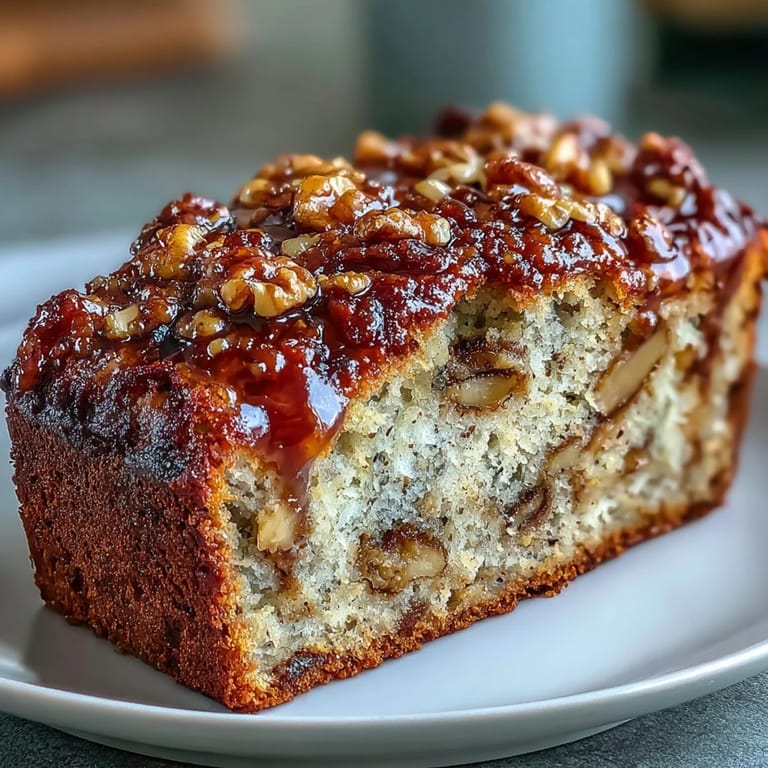
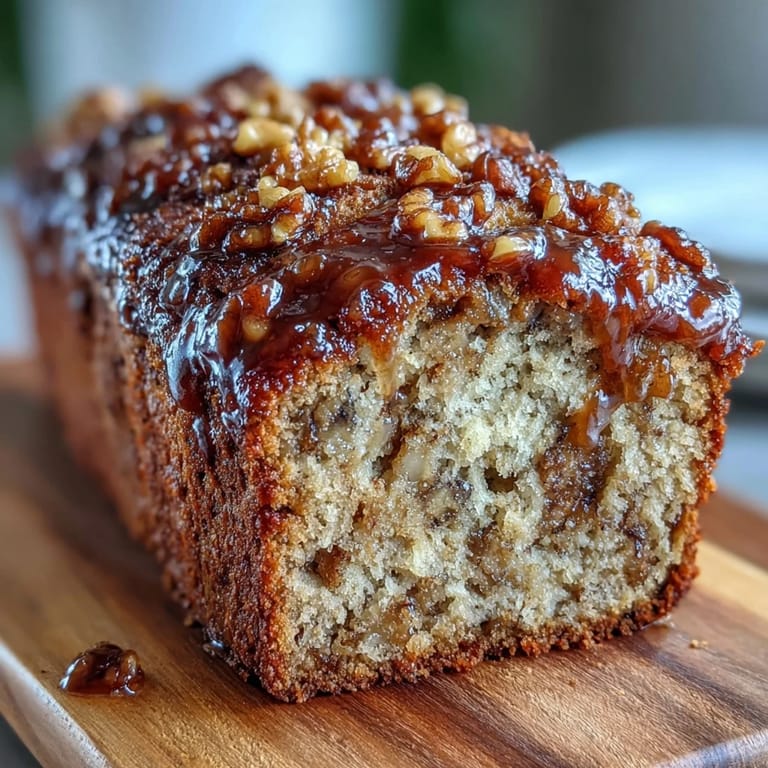
Save My sourdough starter had been neglected for weeks, sitting in the back of my fridge like a forgotten pet, and I felt guilty tossing out the discard every feeding cycle. One afternoon, while staring at overripe bananas on my counter, it hit me: why not bake them together? The result was this tender, tangy banana bread that tastes like someone left a secret ingredient unnamed. That first loaf came out with a shatteringly crisp brown sugar crust, and suddenly my kitchen smelled like autumn even though it was July.
I brought this to a book club meeting thinking it was just a way to use up ingredients, and watched my friend Sarah eat three slices while barely looking up from her novel. She said it tasted like banana bread made by someone who actually knew what they were doing, which made me laugh because I was basically winging it based on a pantry situation. That moment taught me that the best recipes often come from constraints, not planning.
Ingredients
- Ripe bananas: Use fruit so spotted and soft you'd normally feel bad about them; they're packed with natural sweetness and actually mix more smoothly than firm ones.
- Sourdough discard: Room temperature is key here because cold discard fights against the batter, and unfed discard gives you that pleasant tang without making the bread taste sour.
- Unsalted butter: Melted and cooled prevents the eggs from scrambling when you mix everything together.
- Eggs: Room temperature eggs incorporate more evenly, creating a silkier crumb.
- Whole milk: Adds richness and helps the sourdough discard blend smoothly into the wet ingredients.
- Vanilla extract: A teaspoon rounds out the flavor profile without announcing itself.
- All-purpose flour: The backbone of structure; don't sift unless your flour is genuinely clumpy.
- Granulated sugar: Works with the brown sugar topping to balance the banana's natural moisture.
- Baking soda and baking powder: Baking soda reacts with the acidic discard, while baking powder ensures even rise throughout.
- Salt: A half teaspoon might seem small, but it wakes up every other flavor in the loaf.
- Ground cinnamon: Gets sprinkled both in the batter and on top, creating layers of warmth.
- Walnuts: Lightly toast them first to deepen their flavor and add a gentle crunch that doesn't compete with the soft crumb.
- Brown sugar and cinnamon for crust: This mixture is stirred with melted butter until it looks like wet sand, then scattered on top before baking where it fuses into something almost toffee-like.
Tired of Takeout? 🥡
Get 10 meals you can make faster than delivery arrives. Seriously.
One email. No spam. Unsubscribe anytime.
Instructions
- Get your oven ready:
- Preheat to 350°F while you gather everything; lining your loaf pan with parchment paper makes removal easier, though greasing works fine if you're comfortable with that.
- Combine the wet ingredients:
- Whisk the mashed bananas, room-temperature sourdough discard, cooled melted butter, eggs, milk, and vanilla until you have a smooth, pourable mixture with no lumps of banana hiding anywhere. This is where patience pays off; the sourdough discard will initially resist blending, but keep whisking gently and it'll cooperate.
- Mix the dry ingredients:
- In a separate bowl, whisk together flour, granulated sugar, baking soda, baking powder, salt, and cinnamon; this aeration prevents lumps when you combine everything.
- Bring wet and dry together:
- Pour the wet mixture into the dry ingredients and stir with a spatula using as few strokes as possible, stopping when you can no longer see flour streaks. Overmixing develops gluten, which makes banana bread dense and tough.
- Add the walnuts:
- Fold them in gently at the end so they stay suspended throughout rather than sinking to the bottom.
- Prepare the loaf pan:
- Pour the batter into your prepared 9x5-inch pan and smooth the top with your spatula so it bakes evenly.
- Make and apply the crust:
- Mix the packed brown sugar, melted butter, and cinnamon in a small bowl until it looks like damp sand, then sprinkle it evenly over the batter. The butter helps it stick and melts into a glaze as the bread bakes.
- Bake until golden:
- Bake for 50 to 60 minutes; the bread is done when a toothpick inserted into the center comes out clean with maybe a few moist crumbs clinging to it. The top should be deep golden brown, and the crust will sound crisp if you tap it.
- Cool with intention:
- Let it rest in the pan for 15 minutes before turning it out onto a wire rack; this allows the interior to set enough to hold together while staying tender. Cooling completely before slicing prevents it from crumbling, though honestly, a warm slice with butter melting into it is almost worth the slight mess.
 Save
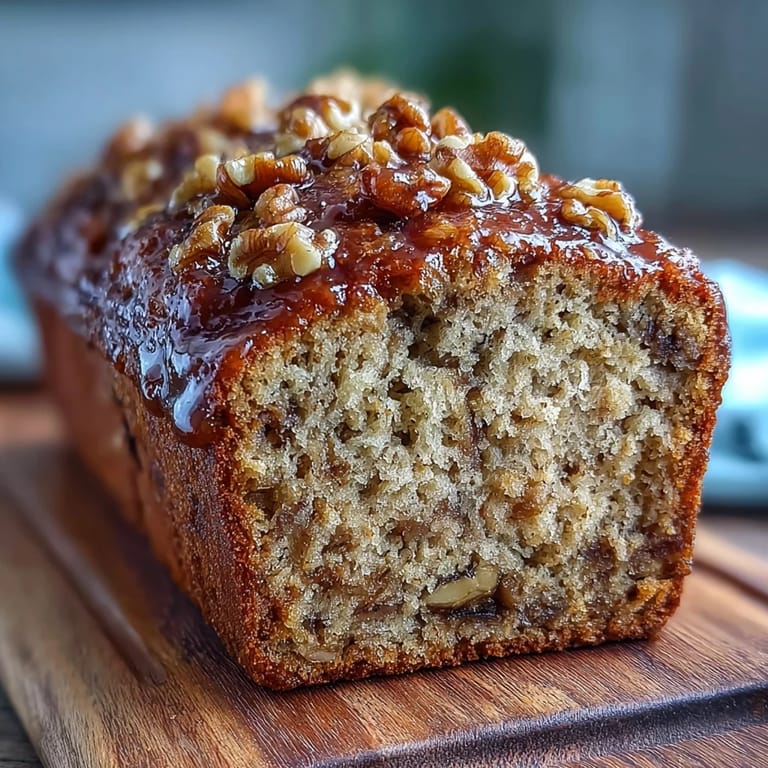
Save My neighbor could smell this baking from two houses away and knocked on my door asking what smelled like autumn spice mixed with caramel. When I handed her a slice still warm from the cooling rack, she bit into that crispy brown sugar crust and just closed her eyes, which is the highest compliment a baker can receive. That's when I knew this wasn't just a way to use up sourdough discard anymore—it had become something people actually wanted.
Why Sourdough Discard Works Here
Sourdough discard brings a quiet complexity to banana bread that you won't get from buttermilk or yogurt. The tang doesn't announce itself loudly; instead, it deepens the banana flavor and adds a subtle fermented note that makes people pause and wonder what you did differently. I've learned that the best additions to recipes aren't the ones that scream for attention—they're the ones that make you question why banana bread doesn't always taste this way.
The Brown Sugar Crust Secret
That crispy, shattered topping is what separates this loaf from ordinary banana bread, and it happens because the butter helps the sugar adhere while baking, then caramelizes slightly as the bread's moisture evaporates. I accidentally discovered this texture by watching what happened when I stirred melted butter into brown sugar—instead of staying grainy, it became almost paste-like, and when sprinkled on top of batter, it basically bakes into a thin candy shell. The key is not pressing it down; let it sit loosely on top so air can reach underneath and make it crisp.
Timing and Texture Tips
This bread actually improves after a day or two as the crumb settles and soaks up the sourdough's subtle tang. Storing it wrapped in foil at room temperature keeps it moist longer than plastic wrap, which traps steam and makes the crust soggy. If you're baking this ahead, it freezes beautifully for up to a month and thaws within a few hours on the counter.
- Toast your walnuts in a dry skillet for 4 to 5 minutes until fragrant, then let them cool completely before folding in.
- Check the loaf at 50 minutes; ovens vary wildly, and a few minutes difference changes everything.
- Slice with a serrated knife after cooling completely, using a gentle sawing motion rather than pushing down.
 Save
Save This bread turned a kitchen frustration into my most requested recipe, and every time I bake it, I'm grateful for those overripe bananas and neglected sourdough starter. It's proof that sometimes the best things come from working with what you have rather than waiting for perfection.