 Save
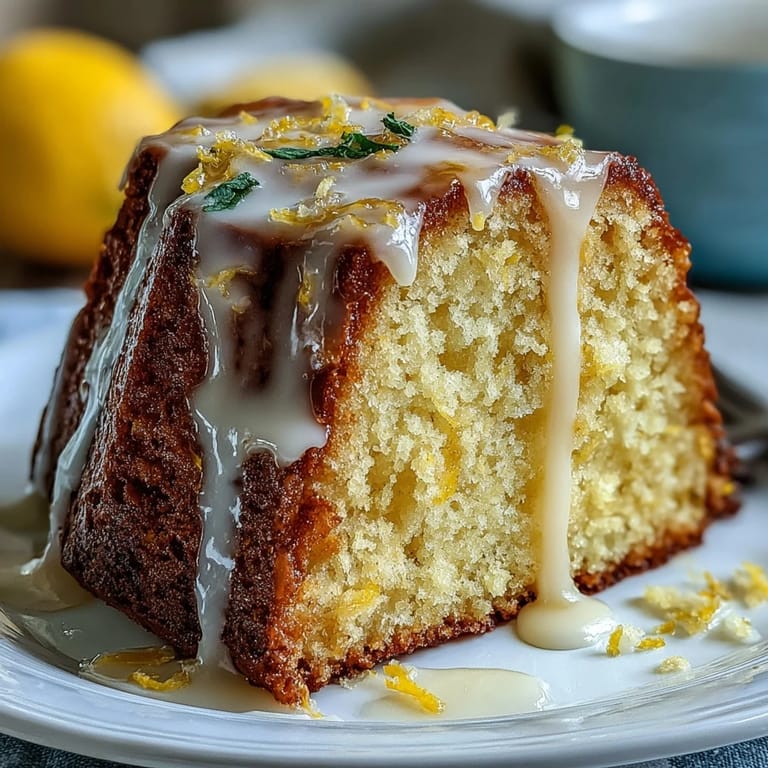
Save Last summer, my neighbor arrived at a garden party with a bottle of Limoncello, and I watched her take a sip while gazing at the lemon tree in her yard. That evening, I couldn't stop thinking about how to capture that bright, boozy citrus feeling in something I could actually bake. This pound cake became my answer—dense and buttery with that unmistakable limoncello bite that makes people pause mid-bite and ask what you did differently. It's the kind of dessert that feels fancy but tastes like an old friend.
I made this cake on a Tuesday afternoon when my sister called to say she was visiting unexpectedly. By the time she arrived three hours later, the whole kitchen smelled like an Italian lemon grove, and she literally walked in, inhaled deeply, and said, 'Okay, you have to tell me what that is.' Watching her eat a slice with her eyes closed, then immediately ask for the recipe, reminded me why baking matters—it's one of the few ways you can pour care into something people actually taste.
Ingredients
- All-purpose flour: Use a good quality flour and spoon it into your measuring cup rather than scooping directly from the bag, which can pack it down and throw off your ratios.
- Unsalted butter, softened: Let it sit at room temperature for about 30 minutes so it creams properly with the sugar—cold butter won't incorporate air the way you need it to.
- Granulated sugar: This is what creates the tender crumb, so don't try to swap in brown sugar here without adjusting other ingredients.
- Eggs, room temperature: Cold eggs won't emulsify smoothly into the batter, so pull them out of the fridge while you're doing other prep work.
- Fresh lemon juice and zest: Always zest before juicing—it's easier, and you'll get more flavor from the zest than any bottle ever promises.
- Limoncello liqueur: This is the soul of the cake, so don't skimp on quality here, but store-brand versions work beautifully too.
- Whole milk: Room temperature milk helps the batter come together smoothly without shocking the warm batter.
- Powdered sugar for glaze: Sift it directly into your mixing bowl to avoid lumps that will ruin an otherwise beautiful drizzle.
Tired of Takeout? 🥡
Get 10 meals you can make faster than delivery arrives. Seriously.
One email. No spam. Unsubscribe anytime.
Instructions
- Prepare your pan and oven:
- Set the oven to 350°F and grease your Bundt or loaf pan thoroughly with butter, then dust it with flour so the cake slides out cleanly after cooling. This small step saves so much heartbreak.
- Combine dry ingredients:
- Whisk the flour, baking powder, and salt together in a medium bowl—this distributes the leavening evenly throughout the batter rather than creating pockets of unrisen cake.
- Cream butter and sugar:
- Beat them together for about 3-4 minutes until the mixture is pale, fluffy, and noticeably lighter in color and texture. You'll feel the difference when you stop—the mixture almost doubles in volume as you incorporate air.
- Add eggs one at a time:
- After each egg, beat well so it fully incorporates before adding the next; this creates a stable emulsion that keeps the cake tender. Rushing this step is why some cakes turn out dense.
- Mix in zest, juice, and liqueurs:
- Add the lemon zest, fresh lemon juice, Limoncello, and vanilla, beating just until combined so the flavors marry without overworking the batter. The batter may look slightly curdled at this point—that's normal and will disappear once you add the flour.
- Alternate flour and milk:
- Start with the dry mixture, then add milk, then flour again, ending with flour; mix on low speed just until you no longer see streaks of flour. Overmixing here develops gluten and toughens the cake, so resist the urge to beat it smooth.
- Bake until golden:
- Pour the batter into your prepared pan and smooth the top with a spatula, then bake for 50-55 minutes until a toothpick inserted into the center comes out clean or with just a few moist crumbs. Every oven runs differently, so start checking at 48 minutes.
- Cool slowly:
- Let the cake rest in the pan for 15 minutes so it sets enough to hold together when you invert it, then turn it out onto a wire rack and let it cool completely before glazing. Glazing a warm cake will cause it to slide right off, which is frustrating and unnecessary.
- Make the glaze:
- Sift the powdered sugar into a bowl, then whisk in 2 tablespoons of fresh lemon juice, the optional Limoncello, and the zest until you reach a consistency that drips slowly from a spoon. If it's too thick, add another tablespoon of lemon juice; if it's too thin, add a bit more powdered sugar.
- Glaze and set:
- Drizzle the glaze over the cooled cake in a gentle, random pattern and let it set for about 30 minutes before slicing so it firms up slightly and doesn't pool at the bottom of your plate.
 Save
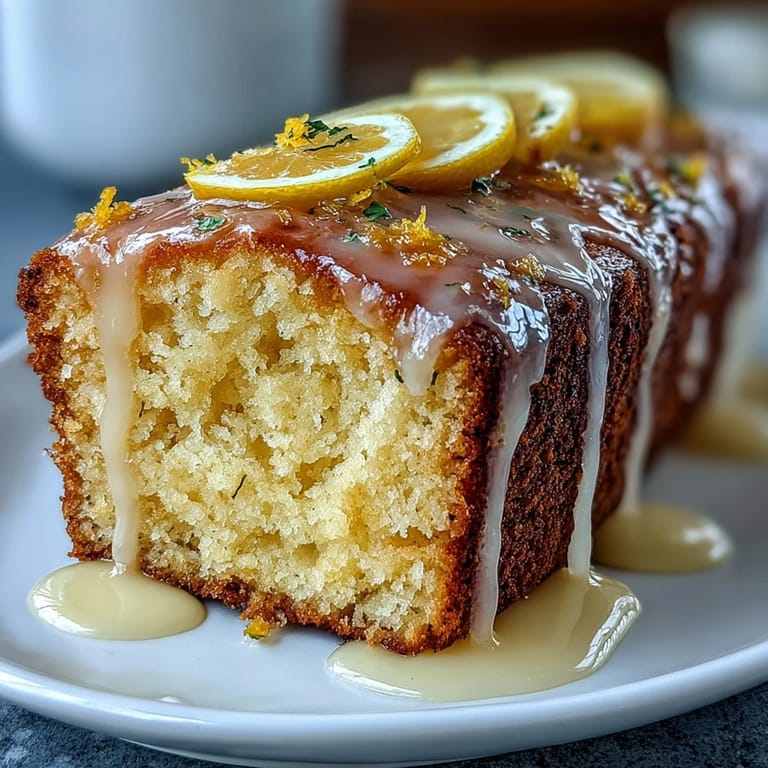
Save My friend Sarah brought this cake to a brunch, and a guest who usually skips dessert asked for seconds. Later, Sarah texted me a photo of the remaining slices wrapped in plastic wrap, saying they'd disappeared by the next morning. That's when I realized this cake isn't trying to be fancy—it's just trying to make someone's day a little brighter.
Why This Cake Works
The magic here is the balance between the boozy Limoncello and the tartness of fresh lemon juice—together they create a flavor that's complex enough to feel special but familiar enough that everyone loves it. The pound cake base is rich enough to hold the moisture from all that liquid, so you end up with something that tastes fresh and bright rather than boozy or heavy. I've learned that the secret to a great pound cake is respecting the technique, not trying to shortcut it.
Storage and Serving
This cake actually improves after a day or two as the flavors meld together, so there's no pressure to serve it immediately. Wrap cooled, glazed slices in plastic wrap and store at room temperature for up to three days, or freeze the unglazed cake for up to a month. Thaw it completely before glazing if you're freezing it, and let it come to room temperature before serving so the crumb is tender and the flavors aren't muted by cold.
Making It Your Own
Once you nail the basic recipe, you can play with it in ways that feel natural and personal. I've made versions with candied lemon peel pressed into the glaze before it sets, and once I added a whisper of elderflower liqueur instead of Limoncello when someone mentioned they had a bottle sitting around. The joy of this recipe is that it's sturdy enough to handle experimentation but perfect enough to not need any changes.
- Substitute the Limoncello with an equal amount of fresh lemon juice if you prefer something completely alcohol-free.
- Garnish the glazed cake with thin lemon slices, candied peel, or fresh mint to match the season and occasion.
- Serve with fresh berries, whipped cream, or a scoop of vanilla ice cream for a lighter, brighter dessert experience.
 Save
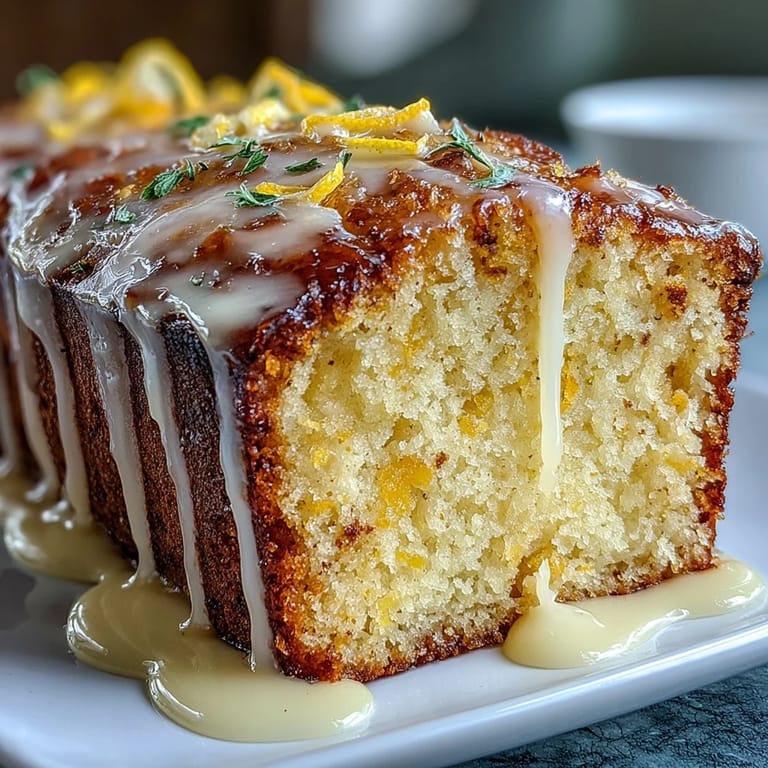
Save This cake has become my answer to 'What should I bring?' because it feels thoughtful without being demanding, and it always sparks a conversation about that singular flavor everyone can't quite name until you tell them. Make it once and you'll understand why Limoncello exists at all.
Recipe Questions & Answers
- → How does Limoncello affect the cake's flavor?
Limoncello adds a subtle, citrusy sweetness and a touch of Italian liqueur essence that enhances the lemon notes and moist texture of the cake.
- → Can I make the lemon glaze without alcohol?
Yes, simply omit the Limoncello in the glaze and increase the fresh lemon juice slightly for a bright, tangy finish.
- → What pan is best for baking this pound cake?
A 10-cup Bundt pan or standard loaf pan works well, providing even baking and a nice shape for the glaze to drizzle over.
- → How do I prevent the cake from drying out?
Do not overmix the batter and bake until a toothpick inserted comes out clean. Cooling it on a wire rack helps maintain moisture.
- → What garnishes complement this cake?
Thin lemon slices, candied lemon peel, or fresh berries add color and flavor, balancing the citrus notes beautifully.