 Save
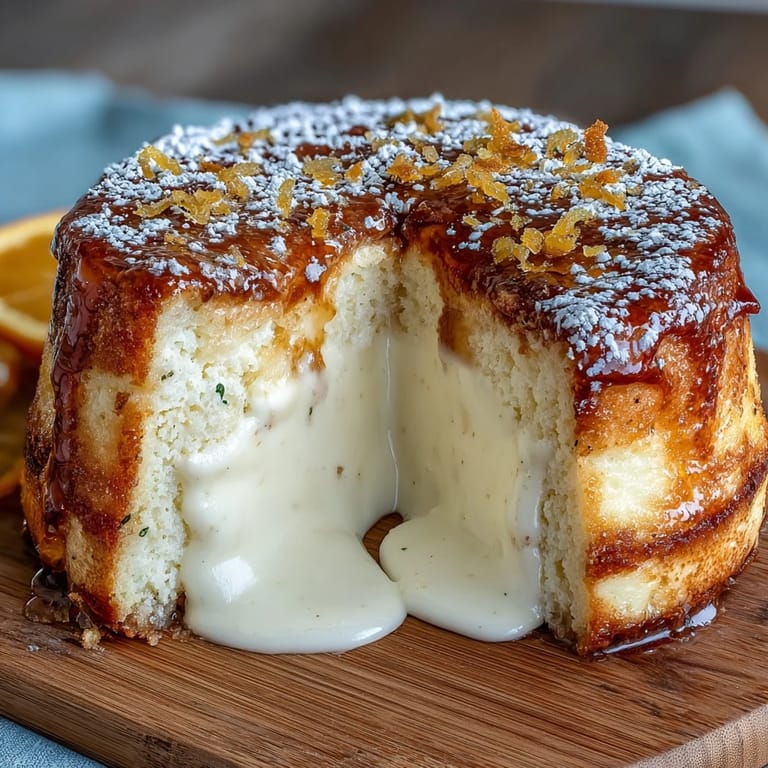
Save My nonna used to make this ricotta pie every Easter, and watching her fold the lemon zest into that cloud-like filling was like witnessing pure kitchen magic. Years later, I found myself standing in my own kitchen on a chilly April morning, the scent of fresh lemons on the counter pulling me back to those childhood afternoons. The first time I made it myself, I was terrified the filling would crack, but it emerged from the oven with the most gentle golden blush and a barely-there wobble that told me everything was perfect. Now it's become my own tradition, the one dessert that makes spring feel official in my home.
I made this for a small dinner party last spring, and my friend Sarah took one bite, closed her eyes, and immediately asked if I could teach her. We ended up in the kitchen at midnight with our second slices, talking about everything while the pie sat cooling on the counter. There's something about a homemade dessert that opens conversations in a way store-bought never could. That night reminded me why I love cooking for people—it's not about perfection, it's about creating a moment worth remembering.
Ingredients
- All-purpose flour (2 cups): The foundation of your pastry crust, and honestly, measuring by weight rather than volume will give you more consistent results every single time.
- Granulated sugar for pastry (1/2 cup): This sweetens the crust and helps it brown beautifully, so don't skip it even though it's subtle.
- Cold unsalted butter (1/2 cup cubed): Cold butter is non-negotiable here—it creates those flaky, tender layers that make people swoon over your crust.
- Egg and egg yolk: These bind the dough together and give your crust that rich, golden color as it bakes.
- Vanilla extract (1 tsp for pastry): Just a whisper of vanilla deepens the flavor of the crust without announcing itself.
- Cold water (2-3 tbsp): Add this gradually, one tablespoon at a time, because every kitchen is different and your flour might need less than you think.
- Whole milk ricotta (2 cups, well drained): The soul of this pie—buy the freshest ricotta you can find, and drain it in cheesecloth for at least an hour before using so your filling stays creamy, not watery.
- Sugar for filling (3/4 cup): This sweetens the filling gently, letting the lemon and ricotta flavors shine through without being cloying.
- Eggs (3 large): These set the filling and keep it tender and custard-like in texture.
- Vanilla extract (1 tsp for filling): A second dose of vanilla rounds out the filling's flavor beautifully.
- Lemon zest (from 2 lemons): Use a microplane and don't be shy—this is where the magic lives, so fresh lemons at room temperature will yield more zest than cold ones.
- Lemon juice (1 tbsp): Adds brightness and prevents the filling from tasting too sweet, balancing everything perfectly.
- All-purpose flour (2 tbsp): This helps stabilize the filling so it sets properly without becoming rubbery.
- Salt (1/4 tsp): Enhances all the other flavors so everything tastes more like itself.
- Heavy cream (1/4 cup): This makes the filling luxuriously smooth and keeps it from drying out as it bakes.
- Powdered sugar for dusting: A light shower at the end adds elegance and a gentle sweetness right at the top of each slice.
Tired of Takeout? 🥡
Get 10 meals you can make faster than delivery arrives. Seriously.
One email. No spam. Unsubscribe anytime.
Instructions
- Build your pastry base:
- Combine flour, sugar, and salt in a large bowl, then scatter your cold butter pieces over the top and use your fingertips to rub everything together until it looks like coarse breadcrumbs. This technique keeps the butter pieces separate, which is what creates those delicate, flaky layers when it bakes.
- Bring the dough together:
- Crack your egg and egg yolk into the bowl with the vanilla, then drizzle it over the flour mixture and stir gently. Add cold water one tablespoon at a time, mixing just until the dough starts to hold together—stop as soon as it does, because overworking it will make your crust tough instead of tender.
- Chill and rest:
- Shape the dough into a flat disk, wrap it tightly in plastic wrap, and slide it into the refrigerator for at least 30 minutes, or even overnight if your day allows. This resting time lets the gluten relax and makes the dough much easier to roll out.
- Prepare your workspace and pan:
- Preheat your oven to 350°F and lightly grease your 9-inch pie or tart pan with butter or oil. Dust your work surface with flour and remove your chilled dough, letting it sit for just a minute so it's not rock-hard.
- Roll and fit the crust:
- Using a rolling pin, gently work the dough from the center outward, rotating it a quarter turn as you go, until it's about 1/8 inch thick and large enough to fit your pan with a little overhang. Gently transfer it to your pan, press it into the bottom and up the sides without stretching, and trim the excess with a sharp knife, leaving about 1/2 inch hanging over the edge which you can fold down and seal.
- Pre-chill the crust:
- Use a fork to prick the bottom of the crust all over so it won't puff up as it bakes, then pop it back into the refrigerator for 10 minutes while you focus on the filling.
- Create the ricotta filling:
- In a large bowl, whisk together your well-drained ricotta, sugar, eggs, vanilla, lemon zest, lemon juice, flour, and salt until everything is smooth and no lumps of ricotta remain. Gently fold in the heavy cream at the very end, being careful not to overbeat or your filling will become grainy.
- Fill the shell:
- Pour your silky ricotta mixture into the waiting crust and use a spatula to smooth the top so it's level. Take a moment to admire how beautiful it looks before it goes into the oven.
- Bake until set:
- Slide the pie into your preheated oven for 55 to 60 minutes, watching as it transforms into something golden and magnificent. You'll know it's done when the edges are set and lightly colored but the very center still has just the tiniest wobble when you gently shake the pan—that wobble is what keeps the filling tender and creamy.
- Cool with patience:
- Remove the pie from the oven and let it cool completely on a wire rack, which takes about an hour. Once it's cooled to room temperature, cover it loosely and refrigerate for at least 2 hours, though overnight is even better because the flavors deepen and the texture becomes perfectly creamy.
- The final flourish:
- Just before you slice and serve, dust the top generously with powdered sugar, letting it drift down like fresh snow. This final touch is not just pretty—it adds one more layer of sweetness that balances the tartness of the lemon beautifully.
 Save
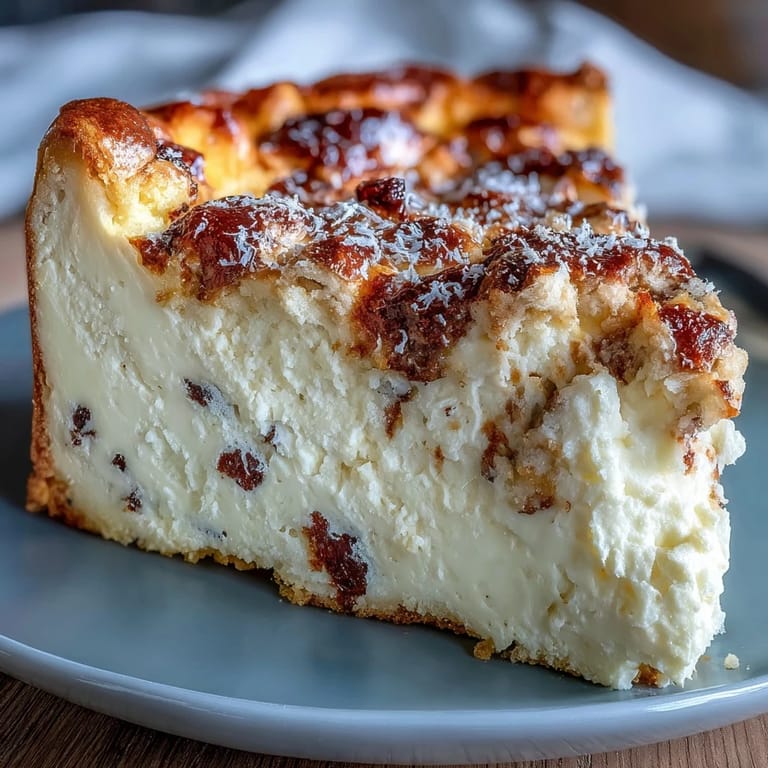
Save There was an Easter when my sister brought her newborn daughter to our family dinner, and we placed a slice of this pie on a little plate for her to see (she was far too young to eat it, of course). My sister laughed and said it was a blessing of sorts, introducing her daughter to beauty in any form. In that moment, I realized this pie had become more than dessert—it was tradition, it was love made edible, it was proof that some things are worth the care and time.
The Secret of Perfect Pastry
The difference between a mediocre pie crust and one that makes people sigh has almost everything to do with butter temperature and technique. I learned this the hard way after years of rolling out dough that would tear and fighting with a crust that baked up dense instead of flaky. Once I started keeping my butter in the freezer until the last possible moment and stopped overworking the dough, everything changed—suddenly my crusts were tender, shattered delicately under a fork, and tasted rich without being heavy. It's one of those kitchen lessons that seems small but completely transforms your baking.
Why Lemon and Ricotta Are Perfect Together
Ricotta is naturally mild and slightly sweet, which makes it the perfect canvas for lemon's bright acidity and perfumy aroma. The filling should taste like sunshine and spring rather than heavy and dense, and the lemon is what keeps it from becoming cloying. I've experimented with adding orange zest, candied citrus, even a whisper of almond extract, but every time I come back to pure lemon because it's the version that feels the most honest. There's a reason this combination has been beloved in Italian kitchens for generations—it simply works.
Making This Pie Your Own
Once you've made this pie a few times and feel confident with the basic technique, you can start playing with variations that feel personal to you. Some springs I brush the crust with a little beaten egg white before filling it, which creates a subtle shine and a slightly crispier texture. Other times I add a handful of candied orange peel or fresh berries scattered over the top, or I dust it with a sprinkle of pistachios for a more contemporary twist. The foundation is strong enough to handle these additions without losing its essential character.
- Fresh raspberries or blueberries scattered over the filling just before baking add color and a tart note that plays beautifully against the sweetness.
- A light brush of honey or apricot jam over the warm pie before it cools adds shine and an extra layer of flavor.
- Serve it with a dollop of whipped cream or a small scoop of vanilla gelato if you want to make each slice feel like a celebration.
 Save
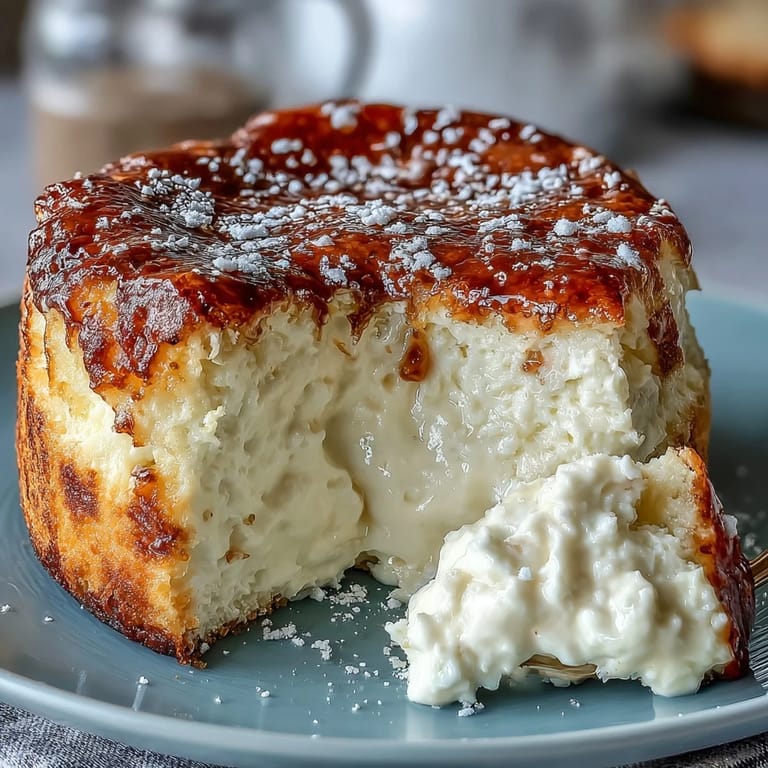
Save This pie is proof that sometimes the most memorable desserts aren't about complexity or unusual ingredients—they're about respecting the quality of what you have and treating it with care. Make this for someone you love, and you'll understand why it's been making its way to Easter tables for centuries.
Recipe Questions & Answers
- → What type of ricotta is best for this pie?
Use whole milk ricotta that is well drained to ensure a creamy texture without excess moisture.
- → How can I enhance the lemon flavor?
Adding extra lemon zest or a bit of orange zest alongside the lemon can brighten and deepen the citrus aroma.
- → Can I substitute the flour for gluten-free options?
Yes, gluten-free flour can be used for the crust, but results may vary slightly in texture.
- → What is the best way to know when the pie is done baking?
The filling should be set with a slight wobble in the center; it firms up further as it cools and chills.
- → How long should the pie cool before serving?
Allow the pie to cool completely on a wire rack, then chill for at least 2 hours to achieve the best texture.