 Save
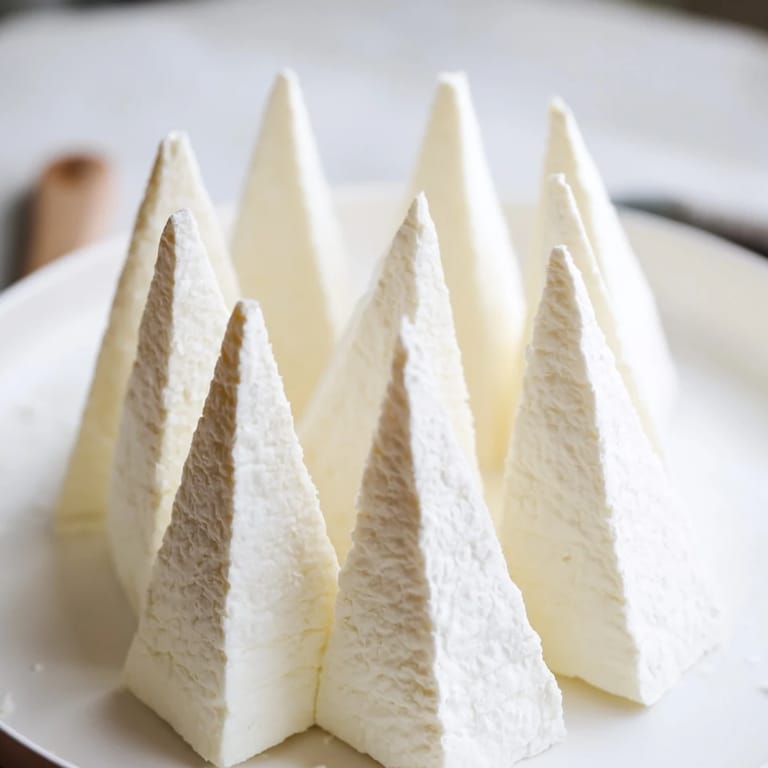
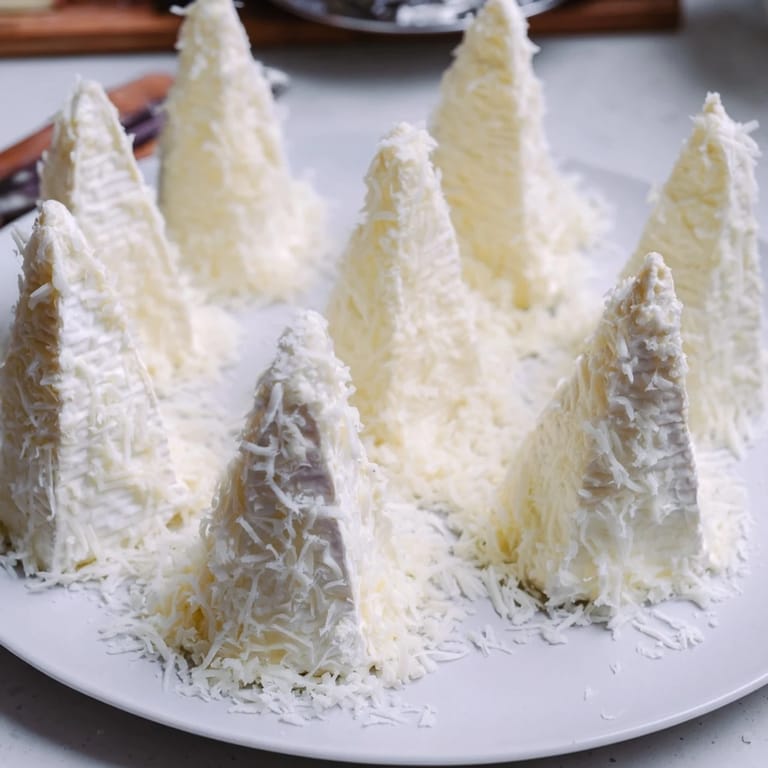
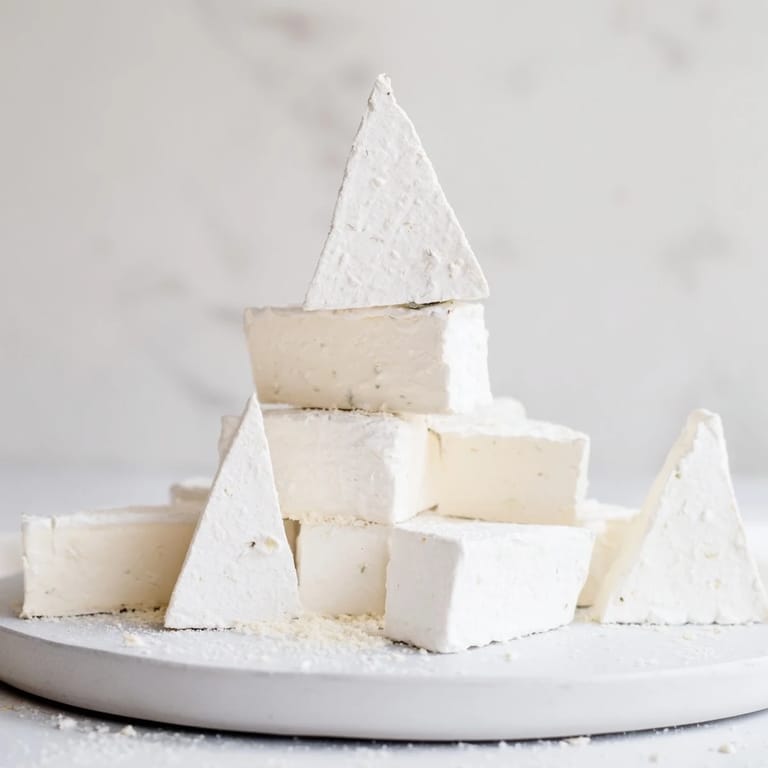
Save There's something about arranging food on a platter that makes you feel like an artist instead of just someone heating things up. I stumbled onto this idea while reorganizing my cheese board one winter evening, noticing how the wedges of Brie caught the light like little peaks. That snowy dusting of Parmesan sealed it—suddenly, what could have been just cheese became something that looked like it belonged on a gallery wall. The best part? It takes barely ten minutes and tastes as elegant as it appears.
I remember bringing this to a dinner party on a bitter cold night, and someone actually gasped when I set it on the table. There was this split second where the room went quiet, and then everyone reached for it at once. It wasn't fancy pretense—it was genuine delight at something that looked beautiful but tasted unmistakably like good, honest cheese. That's when I realized presentation and flavor don't have to compete; sometimes they just amplify each other.
Ingredients
- Brie cheese, well chilled (400 g): The cold helps you get clean, precise wedges, and those peaks matter more than you'd think—they're what make this feel intentional.
- Parmesan cheese, finely grated (40 g): Grating it yourself just before serving keeps it fluffy and light, like actual snow rather than dried powder.
- Fresh thyme sprigs (optional): A whisper of green between the white and cream makes the whole thing feel more thoughtful, even if you skip it.
Tired of Takeout? 🥡
Get 10 meals you can make faster than delivery arrives. Seriously.
One email. No spam. Unsubscribe anytime.
Instructions
- Chill and Slice:
- Pull your Brie straight from the fridge and use a sharp knife warmed under hot water, then wiped dry. You want clean edges that don't drag through the delicate cheese—aim for sixteen triangular wedges, each about the size of a playing card.
- Build Your Range:
- Stand each wedge upright on your platter with the pointed end reaching skyward. Space them close enough to look like a connected range but far enough apart that each one feels deliberate, like individual peaks you've carefully chosen.
- Crown with Snow:
- Hold the Parmesan just above the peaks and dust generously, tilting your hand so the cheese settles on the tops like it just fell from the sky. Don't be shy—this is your winter landscape.
- Add Greenery:
- Tuck sprigs of thyme into the crevices if you want to, threading them between the wedges like trees at the base of mountains. It's optional but changes everything about how the platter feels.
- Serve Immediately:
- Get it to the table while the Brie is still cool enough to hold its shape and the Parmesan hasn't had time to soften. Crackers or baguette slices on the side let people build their own bites.
 Save
Save I realized partway through one dinner that my friend was photographing this before eating it, and I felt oddly protective of it—like I'd made something she wanted to remember. Food that makes people pause like that, that seems worth preserving in a photo, changes how you feel about what's possible in your own kitchen. This humble cheese arrangement taught me that sometimes the smallest efforts create the biggest moments.
The Toasting Secret
The first time I toasted the Parmesan before dusting, I nearly ruined it by getting distracted and leaving it too long. But that mistake turned into discovery—the slightly browned edges had a deeper, almost caramel-like note that elevated the whole plate. Now I do it intentionally, watching the cheese carefully for just a couple of minutes until it turns a shade darker and smells noticeably nuttier. It's a small thing that feels like cheating in the best way.
Playing with Cheese Variations
Brie is the obvious choice, but I've experimented with Camembert when I wanted something sharper, and once I used a triple-cream for a dinner where I wanted to impress someone particularly. Each cheese behaves slightly differently when chilled and cut—some slice cleaner, some are more delicate—but they all arrange into something beautiful. The geometry matters more than the exact cheese, so don't feel locked into one option if something else is what you have on hand.
Wine Pairings and Timing
This is the kind of thing that drinks beautifully with chilled Chardonnay or sparkling wine, and there's something about having those glasses already poured when people arrive that sets the tone for the whole evening. I learned to make this right before guests arrive rather than earlier, since the Parmesan dust settles and compacts if it sits too long. The magic moment is right after you've dusted it, when everything still feels impossibly delicate and intentional, so time it for when you're ready to serve.
- Chill your wine glasses while you arrange the platter, and pour just before people see it.
- If you're making this ahead, dust the Parmesan no more than five minutes before serving.
- Leftover Brie wedges won't look quite as sculptural after a few hours, but they taste just as good at room temperature with crackers.
 Save
Save This dish proves that restraint and simplicity can be just as impressive as complexity. It's become my go-to when I want to bring something that feels special without spending hours in the kitchen.
Recipe Questions & Answers
- → How should the Brie be prepared for clean cuts?
Ensure the Brie is well chilled before slicing into wedges; this helps achieve clean, precise cuts.
- → What is the purpose of dusting Parmesan on the Brie wedges?
Grated Parmesan creates a snowy effect atop the Brie, enhancing the visual appeal to mimic mountain peaks.
- → Can I add garnishes to this appetizer?
Fresh thyme sprigs are recommended for a subtle greenery contrast, but they are optional based on preference.
- → Are there flavor variations to consider?
Toasting the Parmesan lightly before dusting adds a deeper nutty flavor; alternatively, swap Brie with Camembert or triple-cream cheese.
- → What accompaniments pair well with this dish?
Serve alongside crackers or baguette slices, and consider pairing with chilled Chardonnay or sparkling wine for a delightful experience.