 Save
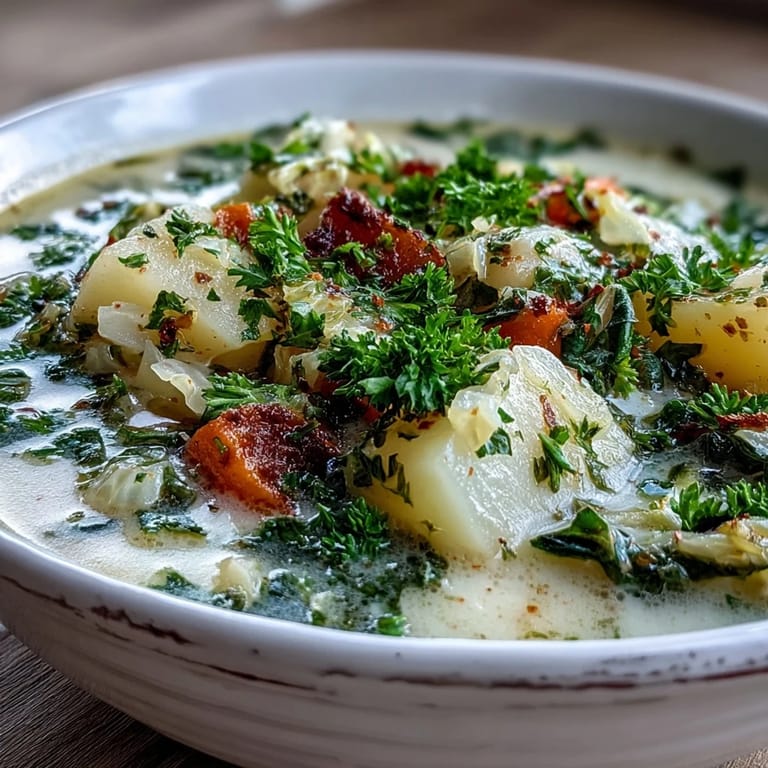
Save The steam from this soup always fogs up my kitchen window in the best way. I stumbled onto this recipe during a particularly gray February, digging through my fridge for something to do with half a cabbage I'd bought on impulse. What started as improvisation turned into something I now make whenever the weather turns cold and I need something that feels like a warm hug. The sweetness of the cabbage surprised me that first time, the way it mellowed into the potatoes and created this gentle, creamy base that didn't need much else.
I made this for my neighbor once when she was recovering from a cold, and she called it soul medicine. There's something about the way the butter and onions fill the kitchen with that first aromatic wave that makes everyone wander in asking what's cooking. My sister now requests this every time she visits in winter, and I've watched her scrape her bowl clean more times than I can count. It's become one of those recipes that marks the season, a signal that cozy evenings have arrived and it's okay to slow down a little.
Ingredients
- Unsalted butter: This creates the flavor foundation, and I always use unsalted so I can control the seasoning as the soup reduces.
- Yellow onion: The sweetness it develops while softening is essential to balancing the earthiness of the cabbage.
- Garlic: Just enough to add warmth without overpowering the delicate vegetable flavors.
- Green cabbage: Slice it thin so it breaks down beautifully and almost melts into the broth.
- Russet potatoes: Their starch content is what makes this soup naturally creamy when partially blended.
- Carrots: They add a subtle sweetness and a pop of color that makes each bowl more inviting.
- Vegetable stock: Use a good quality one, it's the backbone of the entire soup.
- Whole milk or cream: This is what turns the soup velvety, though I sometimes use half and half when I want something in between.
- Bay leaf and thyme: These herbs add a quiet depth that you'd miss if they weren't there.
- Nutmeg: Just a pinch brings out the sweetness in the vegetables in a way that feels almost magical.
- Fresh parsley: The brightness at the end cuts through the richness and makes everything taste more alive.
Tired of Takeout? 🥡
Get 10 meals you can make faster than delivery arrives. Seriously.
One email. No spam. Unsubscribe anytime.
Instructions
- Start with the aromatics:
- Melt the butter until it foams, then add your diced onion and let it cook slowly until it turns soft and translucent, stirring occasionally so nothing sticks. When you add the garlic, give it just a minute, you want it fragrant but not browned.
- Build the vegetable base:
- Toss in the cabbage and carrots, stirring them through the buttery onions until they start to soften and shrink down. This step brings out their natural sugars and starts layering those flavors together.
- Simmer everything tender:
- Add your potatoes, bay leaf, thyme, and stock, then bring it all to a boil before turning it down to a gentle simmer. Let it cook uncovered until the potatoes break apart easily with a spoon and the cabbage is completely tender.
- Create the creamy texture:
- Fish out the bay leaf, then use your immersion blender to partially puree the soup, leaving some chunks for texture. If you blend it all smooth it loses that rustic, homey character.
- Finish with richness:
- Stir in the milk or cream and season generously with salt, pepper, and a small grating of nutmeg. Warm it through gently without boiling, then ladle into bowls and scatter parsley on top.
 Save
Save One evening I served this to friends who claimed they didn't like cabbage, and they went silent halfway through their bowls. When they finally looked up, one of them said she couldn't believe what she'd been missing. It reminded me that the best recipes are the ones that change minds quietly, with nothing more than good technique and patience. That night, with bread torn and passed around the table, this simple soup became the center of something warm and memorable.
Making It Your Own
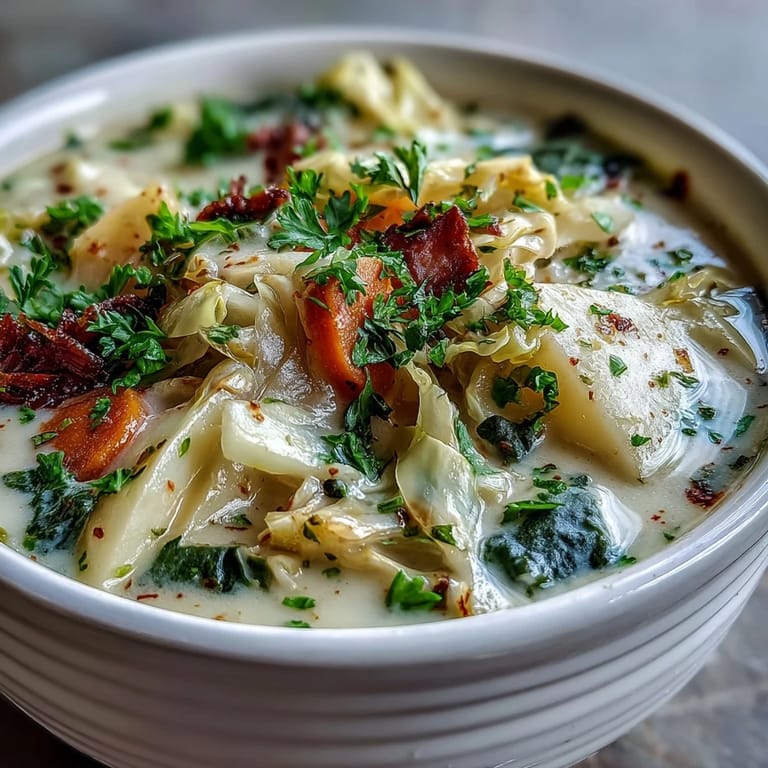
I've made this soup a dozen different ways depending on what I had around. Sometimes I'll crisp up some bacon and crumble it on top for a smoky finish, or stir in a spoonful of grainy mustard at the end for a little tang. If you want it vegan, swap the butter for olive oil and use oat milk, it still turns out beautifully creamy. A handful of white beans added in the last few minutes makes it more filling without weighing it down.
Storing and Reheating
This soup keeps well in the fridge for up to four days, and I often make a big batch on Sunday to have ready for quick lunches. When reheating, do it gently on the stove and add a splash of milk or stock to loosen it up, it thickens as it sits. I've frozen it successfully too, though the texture of the potatoes can change slightly, just give it a good stir when you reheat and it comes back together.
Serving Suggestions
I always serve this with crusty bread, the kind with a chewy crust that's perfect for dragging through the creamy bottom of the bowl. A simple green salad with a sharp vinaigrette balances the richness nicely, and if I'm feeling fancy, I'll toast some rye bread and rub it with garlic. It pairs surprisingly well with a crisp white wine like Riesling, the acidity cuts through the cream and highlights the sweetness of the vegetables.
- Top with croutons fried in butter and a little thyme for extra crunch.
- A drizzle of good olive oil and a few cracks of black pepper make it feel restaurant special.
- Serve it in wide, shallow bowls so the parsley and any garnishes show off properly.
 Save
Save This soup has become one of those recipes I turn to without thinking, the kind that feels like home no matter where I make it. I hope it brings you the same kind of comfort it's given me on countless chilly nights.
Recipe Questions & Answers
- → Can I make this soup vegan?
Yes, simply replace the butter with olive oil and use your favorite plant-based milk such as oat, almond, or cashew milk instead of dairy milk or cream.
- → What type of potatoes work best?
Russet potatoes are ideal for their starchy texture that creates a creamy consistency. Yukon Gold potatoes can also be used for extra natural creaminess.
- → How can I make this soup heartier?
Add chopped cooked bacon, diced smoked sausage, or even shredded chicken for a non-vegetarian version with more protein and depth of flavor.
- → Can I freeze leftover soup?
Yes, this soup freezes well for up to 3 months. Allow it to cool completely, then store in airtight containers. Reheat gently on the stovetop, adding a splash of milk if needed.
- → Do I need to blend the entire soup?
No, partial blending is recommended to create a creamy base while leaving some vegetable chunks for texture and visual appeal. Blend to your preferred consistency.
- → What can I serve alongside this soup?
Crusty bread, sourdough, or garlic bread pairs wonderfully. A crisp white wine like Riesling or a simple green salad also complements the richness beautifully.