 Save
Save My grandmother's cast-iron skillet hung on her kitchen wall like a trophy, and I didn't understand why until the first time she let me help make cornbread in it. The way that butter sizzled when it hit the hot pan, the smell that filled her kitchen—golden, almost nutty—taught me that some recipes aren't just about ingredients, they're about the vessel and the ritual. Now whenever I make this cornbread, I'm standing in that warm kitchen again, watching her brush honey butter across the steaming top.
I made this for a potluck once where someone brought store-bought cornbread, and I watched people's faces light up when they tasted the real thing—the difference was unmistakable. That moment taught me that cornbread shouldn't be dense or crumbly or taste like cardboard. It should be something people reach for a second slice of, even when they're already full.
Ingredients
- Yellow cornmeal: This is what gives cornbread its signature texture and subtle corn flavor; don't skip it for flour.
- All-purpose flour: Helps bind everything together without making it heavy, just enough structure to hold the crumb.
- Granulated sugar: A small amount balances the cornmeal's earthiness and encourages that golden crust.
- Baking powder and baking soda: These two work together to give you tender crumb and lift; use fresh ones so they actually work.
- Fine salt: A pinch brings out the corn flavor and makes the honey butter taste even better.
- Whole milk or buttermilk: Buttermilk adds tang and creates a slightly more tender crumb, but whole milk works beautifully too.
- Eggs: These bind everything and create richness; room temperature eggs mix in more smoothly.
- Melted butter and vegetable oil: The combination creates moisture and helps prevent dryness, and that's the secret most people miss.
- Unsalted butter for greasing: Use this in the hot skillet so it browns slightly and flavors the bottom and sides.
- Softened butter and honey for finishing: This simple combination becomes magic on warm cornbread.
Tired of Takeout? 🥡
Get 10 meals you can make faster than delivery arrives. Seriously.
One email. No spam. Unsubscribe anytime.
Instructions
- Heat your skillet properly:
- Preheat the oven to 425°F and let your 10-inch cast-iron skillet get smoking hot for at least 10 minutes. This hot pan is what creates that crispy, caramelized edge everyone loves.
- Mix dry ingredients:
- Whisk together the cornmeal, flour, sugar, baking powder, baking soda, and salt in a large bowl. Make sure everything is evenly distributed so you don't get pockets of baking soda.
- Combine wet ingredients:
- In another bowl, whisk the milk, eggs, melted butter, and vegetable oil until they're fully combined and smooth. This is important because the oil needs to be evenly distributed.
- Bring it together gently:
- Pour the wet ingredients into the dry ingredients and stir just until you don't see any dry flour streaks. Overmixing develops gluten and makes cornbread tough and dense, so resist the urge to keep stirring.
- Get the skillet ready:
- Carefully remove the hot skillet from the oven and add 2 tablespoons of butter, swirling quickly so it coats the bottom and sides. You'll hear it sizzle and smell that toasty butter aroma.
- Pour and smooth:
- Pour the batter into the hot, buttered skillet and use a spatula to gently smooth the top. It should sizzle slightly when it hits the pan, which means you're doing it right.
- Bake until golden:
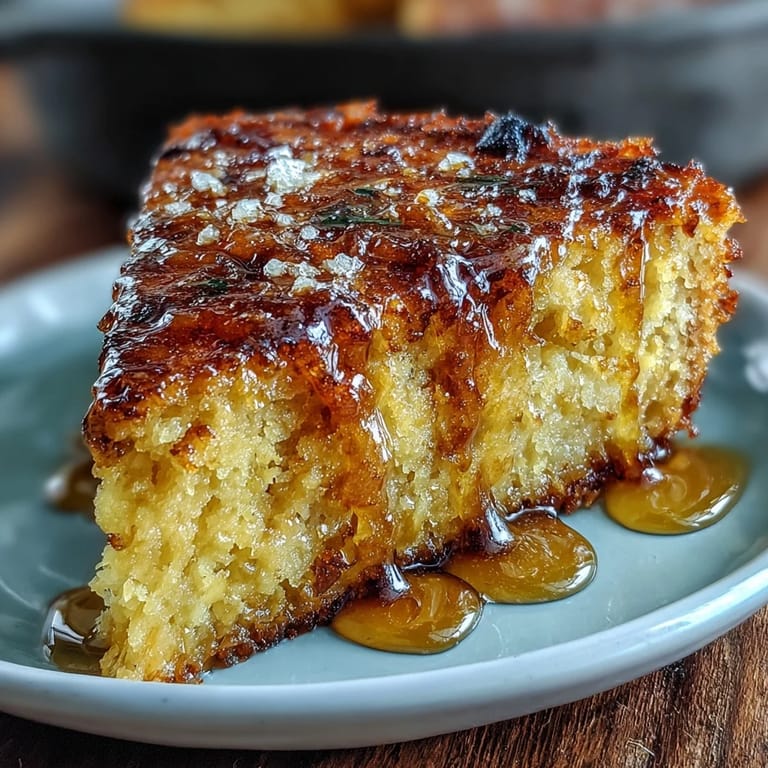
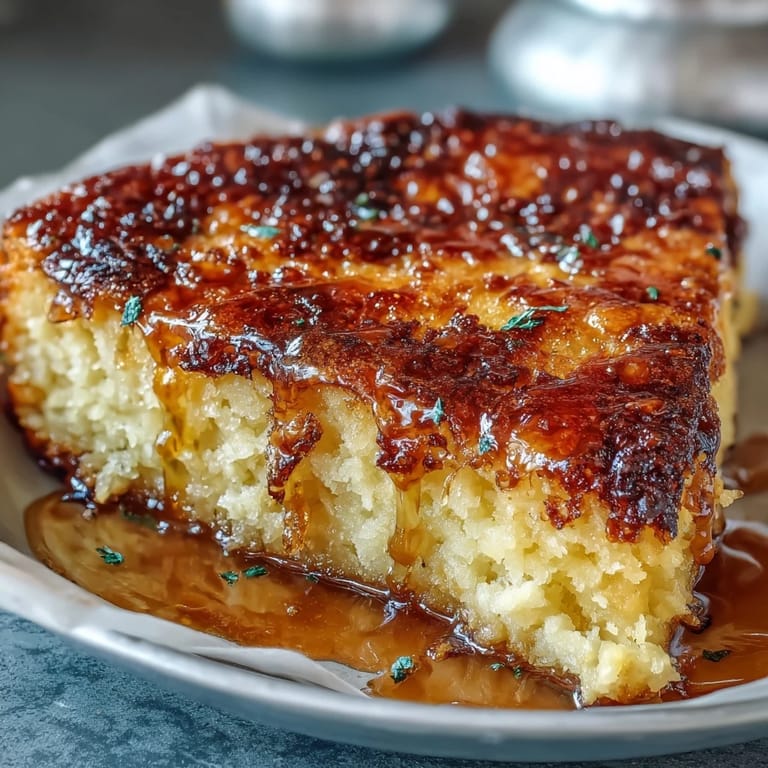
- Bake for 20 to 25 minutes, until the top is deep golden brown and a toothpick inserted in the center comes out clean. The edges will pull slightly away from the skillet when it's done.
- Make honey butter while it bakes:
- Beat softened butter with honey and a pinch of salt in a small bowl until it's smooth and fluffy. This only takes a few minutes and gives you something to do while you wait.
- Cool slightly and serve:
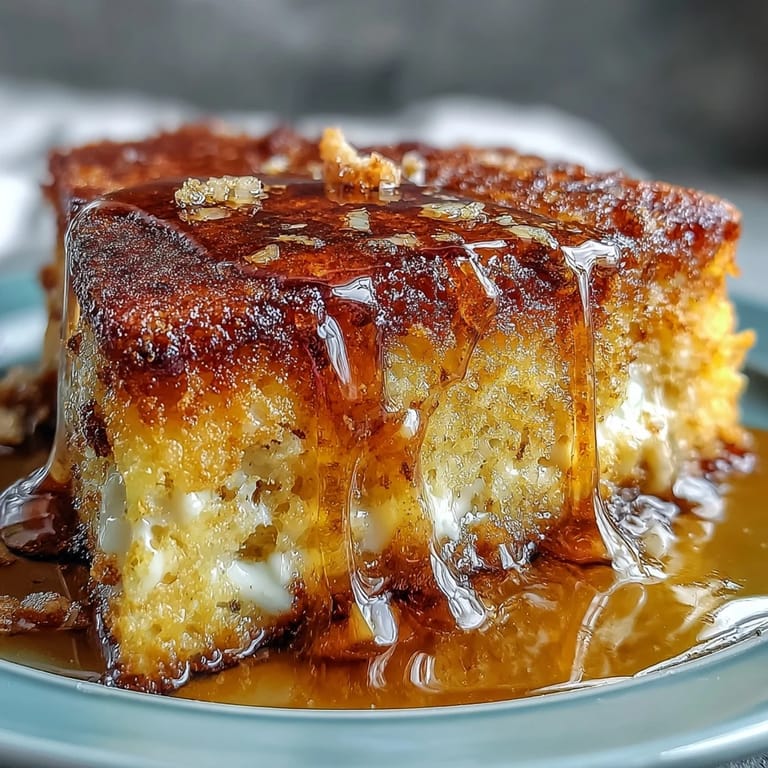
- Let the cornbread rest for 5 to 10 minutes so you can handle it safely, then slice it right in the skillet and serve warm with that honey butter melting into every bite.
 Save
Save My partner once brought home a sad, store-bought cornbread, and when I made this instead, they actually apologized for ever suggesting cornbread could come from anywhere but a hot cast-iron skillet. That's when I realized this recipe isn't just food; it's proof that when you care about the details, people notice.
Why Cast-Iron Makes All the Difference
Cast iron holds heat in a way no other pan can, creating a crispy, almost caramelized exterior while the inside stays moist and tender. The first time I used a regular baking pan instead, the cornbread baked evenly but flatly, and I immediately understood why Southern cooks have always insisted on cast iron. If you don't own one, it's worth getting one just for this recipe.
Customizing Your Cornbread
Once you've mastered the basic version, it's fun to play around with additions. I've added corn kernels for sweetness, shredded sharp cheddar for depth, and diced jalapeños when I wanted heat. Each addition changes the personality of the bread without making it harder to bake.
Serving Suggestions and Storage
Cornbread is best served warm, still steaming from the skillet, with honey butter melting across the top. This works as a side dish for everything from barbecue to fried chicken to chili, and it even tastes great the next day if you warm it up slightly. If you have leftovers, store them in an airtight container for up to three days.
- Slice it while it's still warm in the skillet so it comes out cleanly.
- You can make the honey butter ahead of time and let it soften at room temperature while you bake.
- If the top is browning too quickly, tent it loosely with foil for the last few minutes of baking.
 Save
Save This cornbread has become one of those recipes I come back to again and again because it never disappoints. It's humble enough for a weeknight dinner but impressive enough to bring to a gathering.
Recipe Questions & Answers
- → What type of pan is best for baking this cornbread?
A 10-inch cast-iron skillet is ideal as it retains heat well and creates a crispy, golden crust.
- → Can I substitute buttermilk in the batter?
Yes, using buttermilk instead of whole milk adds a tangy richness and tender crumb.
- → How do I make the honey butter topping?
Whip softened unsalted butter with honey and a pinch of salt until smooth and fluffy for a luscious spread.
- → What is the best way to check for doneness?
Insert a toothpick into the center; it should come out clean when fully baked, usually around 20–25 minutes.
- → Can additional ingredients be added to the cornbread batter?
Yes, mixing in corn kernels, shredded cheddar, or jalapeños can add flavor and texture variety.