 Save
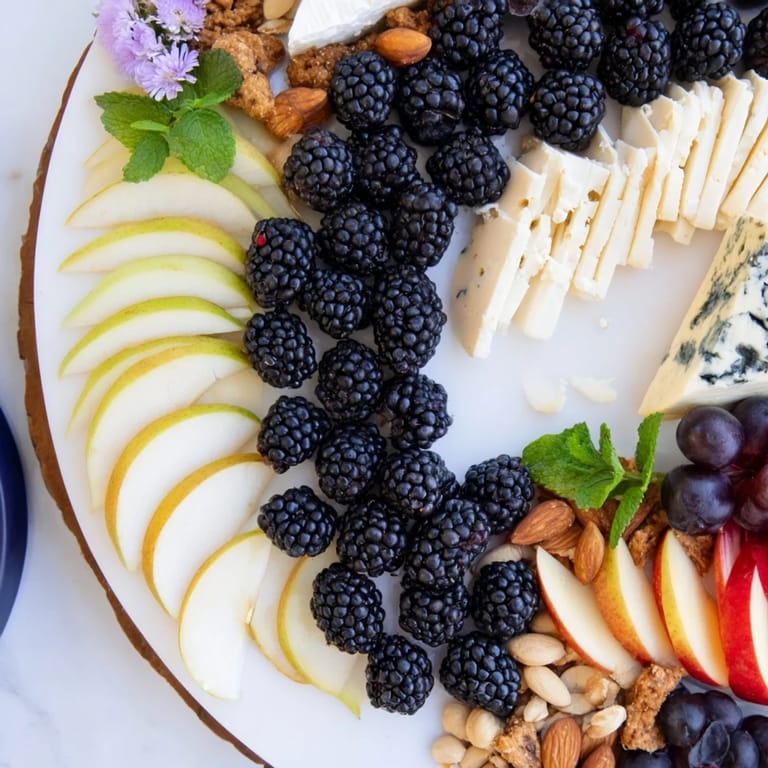
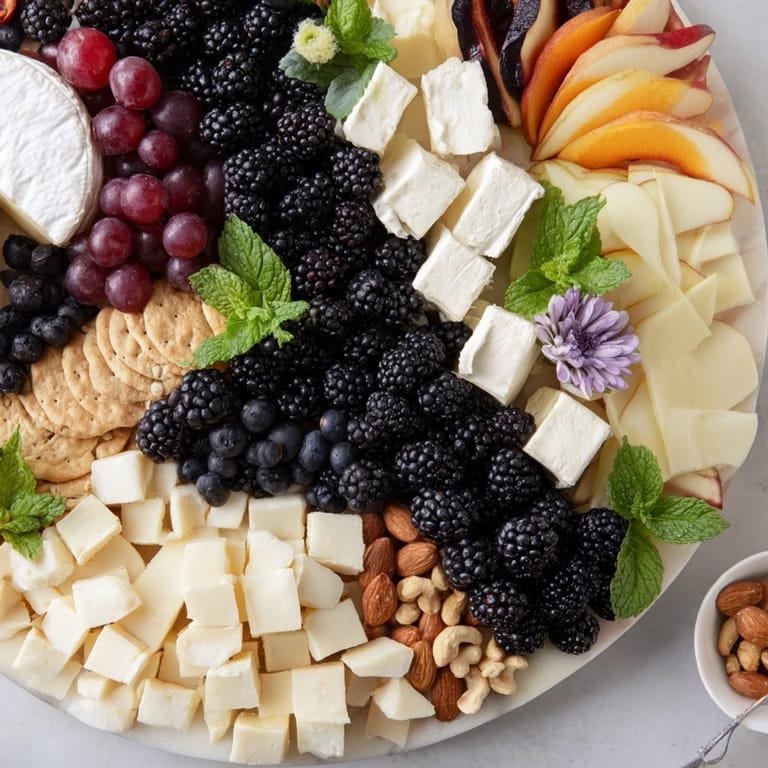
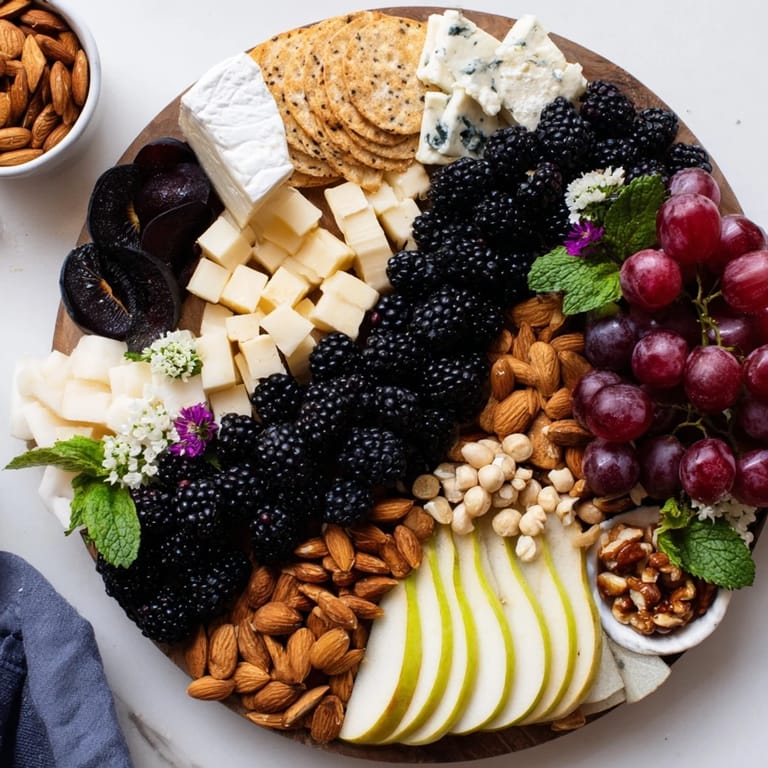
Save I discovered the magic of building a board around a single visual idea while setting up for a dinner party that had gone sideways—my carefully planned main course fell through hours before guests arrived. Standing in my kitchen, staring at a beautiful collection of cheeses I'd gathered, I realized I could turn this into something intentional instead of desperate. Drawing inspiration from the yin-yang symbol, I arranged everything in halves, separated by a dark curved line of blackberries, and suddenly the board told a story about balance. That night, watching guests lean in to admire it before they even tasted anything taught me that food can be art first, dinner second.
My friend Sarah came over during that chaotic dinner party evening, saw what I was building, and immediately understood—she started arranging the dark side while I handled the light one, and we worked in this quiet rhythm together, both of us feeling the weight lift. That board became the entire meal, and it was one of those rare moments where everything felt effortless and elegant at the same time. It taught me that sometimes the best entertaining happens when you abandon the script.
Ingredients
- Fresh blackberries: These are your dividing line—150 grams creates that striking yin-yang curve and their tartness actually bridges the flavors beautifully between the two sides.
- Goat cheese (chèvre): The light side's star, creamy and tangy at the same time, 100 grams sliced shows off its texture.
- Young Manchego or white cheddar: Mild and buttery at 100 grams cubed, these won't compete with the delicate fruits around them.
- Aged blue cheese: 100 grams sliced gives the dark side its bold personality and sharp finish.
- Aged Gouda or sharp cheddar: Nutty and complex at 100 grams cubed, this anchors the darker half.
- Pear: One small pear thinly sliced for the light side brings a subtle sweetness and that elegant texture that makes people slow down.
- Black plum: Its darker color carries the dark side's theme while adding a completely different flavor profile than the pear.
- White and red or black grapes: 50 grams each side, these fill visual gaps and give guests something to grab when they're still deciding.
- Raw almonds and roasted hazelnuts: 30 grams each, the crunch factor—raw stays gentle on the light side, roasted adds warmth to the dark.
- Rice crackers and dark rye crisps: 30 grams each, these are your vehicles for the cheese, and choosing opposite colors keeps the visual story clear.
- Fresh mint and edible flowers: The final touch that says you actually cared, even though you barely lifted a finger.
Tired of Takeout? 🥡
Get 10 meals you can make faster than delivery arrives. Seriously.
One email. No spam. Unsubscribe anytime.
Instructions
- Pick your stage:
- A large round board is essential—the shape itself tells the yin-yang story before anything else does. I use one from a thrift store that's been through a hundred boards before, and it's perfect.
- Create the divide:
- Arrange 150 grams of blackberries in a curved S-shape from top to bottom, not quite splitting the board in half but suggesting the movement of the symbol itself. Step back and adjust—this line is your anchor.
- Light side first:
- Start with the goat cheese slices, then fill in around them with pear, white grapes, almonds, and rice crackers, leaving small negative spaces so nothing looks crowded. Think of it like setting a table where each element has breathing room.
- Dark side story:
- Mirror the energy on the opposite side with blue cheese, plum, darker grapes, hazelnuts, and rye crisps, maintaining roughly the same proportions but opposite colors. The arrangement should feel intentional, not random.
- Finish with flourish:
- Scatter fresh mint across both sides and dot with edible flowers if you have them, which adds height and makes the whole thing feel alive. Serve immediately while everything is at its best.
 Save
Save What moved me most about that first yin-yang board was seeing people actually pause before eating, really looking at it, having conversations about balance and color and flavor before their forks even moved. It transformed appetizers from just something to eat into something to experience, which feels important when you're inviting people into your space.
The Visual Language
I learned that contrast makes everything sing—the board works because light and dark actually make each other better, not worse. Each side has soft elements and crunchy ones, sweet and salty, aged and young, which creates this conversation between opposite flavors. When guests taste from one side then the other, they're actually discovering how different textures and tastes can live together without fighting.
Flexibility and Seasons
The beauty of this board is that it works with whatever your market has that day—in spring I've used fresh strawberries opposite raspberries, in fall I've swapped the plum for dried apricots, and it still tells the same balanced story. The rules are color and contrast, not specific ingredients, which means you can build this year-round and it never feels repetitive. Some days I add honeycomb to the light side because I'm feeling sweet, other times fig jam goes on the dark side because I want richness, and both versions feel equally right.
Serving and Enjoying
Serve this immediately with crisp white wine or a light-bodied red, which will highlight the nuances you've arranged so carefully. The board itself becomes a conversation—people naturally reach for different things at different times, discovering new flavor combinations as they move around it.
- If anyone has allergies, mention the nuts and dairy upfront because cheese boards are those sneaky dishes where people forget to ask.
- Set out small plates or napkins nearby so guests can actually sit and enjoy without juggling their food.
- Don't be precious about it—once the eating starts, the arrangement stops being important and the experience is all that matters.
 Save
Save This board taught me that elegant entertaining doesn't mean complicated, and that sometimes the best meals happen when you stop trying to follow recipes and start listening to what your ingredients want to say. Every time I build one, I remember that chaotic evening when something almost broke became something beautiful.
Recipe Questions & Answers
- → How do I assemble the yin-yang board?
Arrange fresh blackberries in a curved line center on a large board. Place light cheeses, fruits, nuts, and crackers neatly on one side, and darker counterparts on the other side.
- → Can I substitute the cheeses or fruits?
Yes, you can swap cheeses and fruits according to season or preference while maintaining a light and dark contrast.
- → What garnishes enhance the presentation?
Fresh mint leaves and edible flowers add color and freshness, elevating the board's visual appeal.
- → Are there suggested pairings with beverages?
This board pairs well with crisp white wines or light-bodied reds, enhancing the balanced flavor profile.
- → Is this board suitable for special diets?
It's vegetarian and can be gluten-free if gluten-free crackers are used; check all labels to avoid allergens.