 Save
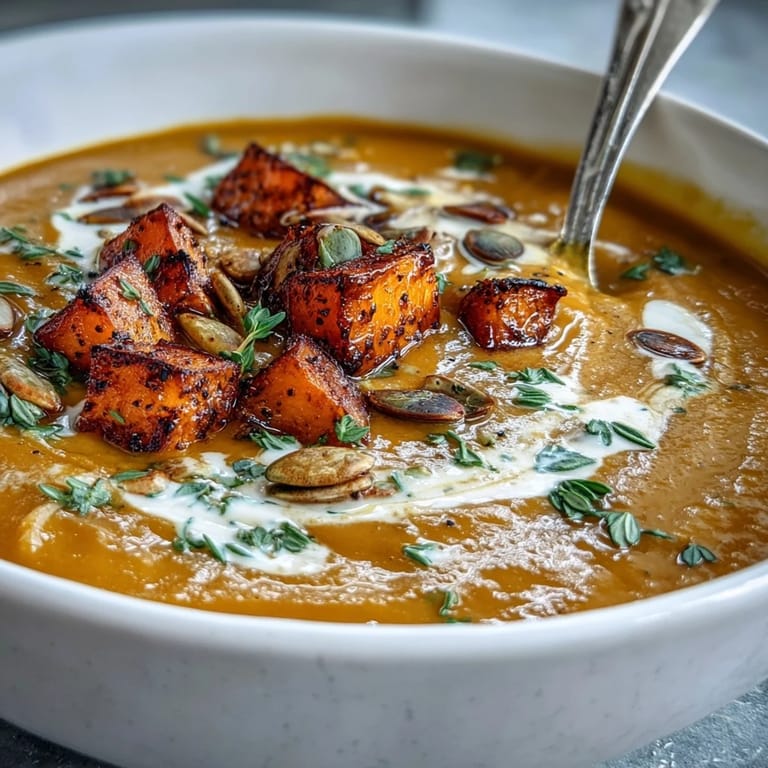
Save There's something about the smell of butternut squash roasting in the oven that stops me mid-afternoon—sweet, almost caramel-like, nothing fancy but somehow it feels like the kitchen is telling me it's time to slow down. My neighbor mentioned she'd been making this soup on repeat through October, and when she described how the roasted squash turns silky and golden, I knew I had to try it myself. What surprised me most wasn't the taste, which was predictably wonderful, but how quickly the whole apartment transformed into this cozy, warm space just from one simple pot.
I made this for my partner on a gray November evening when we both felt a little worn out, and watching them take that first spoonful—eyes closing, shoulders literally relaxing—reminded me why comfort food matters. It wasn't about impressing anyone or following a trending recipe; it was just about saying 'I made something warm for us to share,' and somehow that felt like enough.
Ingredients
- 1 large butternut squash (about 2 lbs), peeled, seeded, and cubed: This is where the magic starts; roasting develops its natural sweetness into something almost caramel-like, so don't skip that step or try to cook it raw.
- 1 medium yellow onion, chopped: Yellow onions become silky and slightly sweet when roasted, anchoring the entire flavor profile without overpowering.
- 2 garlic cloves, peeled: Just enough to add depth without making this taste like garlic soup; they soften completely and meld into the background.
- 1 medium carrot, peeled and chopped: Adds subtle earthiness and a hint of natural sweetness that balances the squash beautifully.
- 4 cups vegetable broth (gluten-free, if needed): This creates the base liquid; if you have homemade broth, it will taste noticeably richer, but store-bought works fine.
- 2 tbsp olive oil: Essential for roasting; it helps the vegetables caramelize and creates that deep, complex flavor you'll taste in every spoonful.
- 1 tsp salt, 1/2 tsp black pepper, 1/2 tsp ground nutmeg, 1/4 tsp cayenne pepper (optional): Nutmeg is the secret ingredient that makes people ask what spice you used; start small with cayenne and add more only if you like heat.
- 1/4 cup heavy cream or coconut cream (optional): Swirl this in at the end for richness, or skip it entirely if you want something lighter; either version is equally delicious.
- Toasted pumpkin seeds and fresh thyme (optional): These garnishes add texture and a little elegance, but the soup stands perfectly well on its own.
Tired of Takeout? 🥡
Get 10 meals you can make faster than delivery arrives. Seriously.
One email. No spam. Unsubscribe anytime.
Instructions
- Prep and preheat:
- Set your oven to 400°F while you get the butternut squash ready; this takes longer than you'd think, so give yourself time and use a sharp knife to make peeling easier.
- Season and roast:
- Toss your cubed squash, onion, garlic, and carrot with olive oil on a baking sheet, making sure everything is coated evenly. Roast for 30–35 minutes, stirring halfway through so the pieces get caramelized on all sides—you'll know it's ready when the edges are golden and the squash yields to a fork.
- Combine and simmer:
- Transfer your roasted vegetables to a large pot, pour in the vegetable broth, and add salt, pepper, nutmeg, and cayenne if you're using it. Let it simmer gently for 10 minutes so the flavors have time to get to know each other.
- Blend smooth:
- Using an immersion blender, blend everything until completely smooth; if you're using a countertop blender, work in batches and be careful of hot liquid. This is where the soup transforms from chunky roasted vegetables into something silky and restaurant-quality.
- Taste and finish:
- Add a swirl of heavy cream or coconut cream if you'd like that extra richness, then taste and adjust seasoning. Some days I add a pinch more nutmeg; other days I leave it alone—trust what your mouth tells you.
- Serve with intention:
- Ladle into bowls and top with toasted pumpkin seeds or a few fresh thyme leaves for color and texture; a warm spoon matters when you're serving something this comforting.
 Save
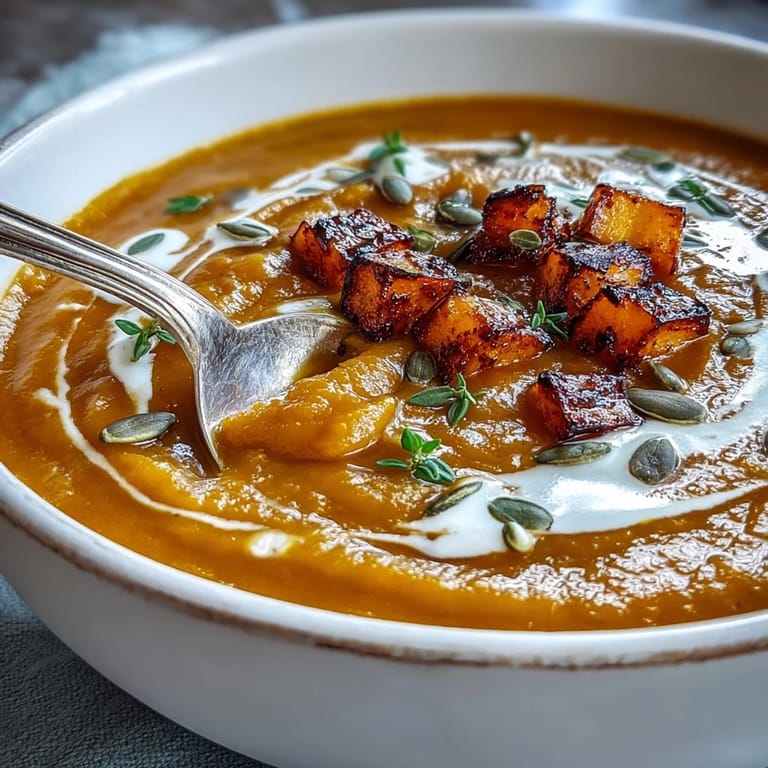
Save There was a moment when my little cousin, who usually picks at everything, asked for seconds of this soup and then thirds, and suddenly I understood that the best recipes aren't the ones with the fanciest ingredients or the longest technique lists—they're the ones that make people want to stay at your table a little longer. That's what this soup does.
The Magic of Roasting
I used to think roasting vegetables was just a way to cook them, but it's actually where sweetness gets concentrated and complexity develops. When butternut squash sits in a 400-degree oven, something chemical happens—the natural sugars caramelize, the edges brown slightly, and suddenly you have this depth of flavor that you could never get from boiling or sautéing alone. This is why the roasting step takes up most of the cooking time but produces the most flavor; it's worth every minute.
Texture and Creaminess Without Cream
The first time I made this soup, I skipped the cream because I was curious, and I was genuinely surprised at how creamy it became just from blending. The roasted vegetables release their own natural starches, and when you blend them thoroughly, they create this naturally velvety texture that feels indulgent even though it's just vegetables and broth. If you do add cream or coconut cream at the end, think of it as a choice rather than a requirement—a way to make something already good feel extra special.
Variations and Pairing Ideas
This soup is forgiving in ways that make it perfect for experimenting, and every addition I've tried has felt intentional rather than random. A small apple roasted alongside the squash adds a subtle sweetness that some people don't even notice but feel in the overall balance; fresh ginger makes it warmer and slightly spicy; a squeeze of lime at the very end brings brightness that cuts through the richness. I've served it alongside crusty bread, grilled cheese sandwiches, and even as the first course before roasted chicken, and it works beautifully in all of those contexts.
- Try roasting a small apple or pear with the squash for undertones of fruit without it being obvious.
- A tiny pinch of cardamom or cinnamon can add complexity if you're feeling adventurous, but start conservatively.
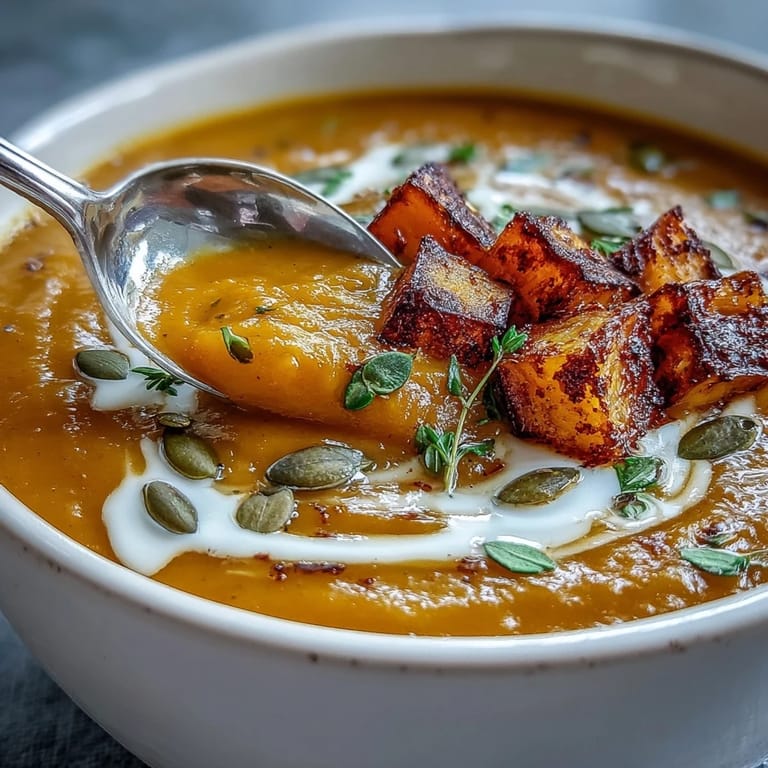
- Toasted pumpkin seeds and crispy sage leaves make it feel restaurant-quality, or keep it simple with just a drizzle of good olive oil.
 Save
Save This soup taught me that sometimes the most memorable dishes are the simplest ones, built on patience and good roasting rather than a long list of fancy ingredients. I keep making it because it never disappoints, and more importantly, because it's become a quiet ritual that says comfort and care without needing to say much at all.
Recipe Questions & Answers
- → Can I freeze this soup?
Yes, freeze cooled portions in airtight containers for up to 3 months. Thaw overnight and reheat gently, adding liquid if needed.
- → How do I make it thicker?
Simmer longer after blending to reduce liquid, or add a peeled potato during roasting for natural creaminess.
- → What can I substitute for heavy cream?
Coconut cream adds richness for dairy-free versions. Cashew cream or Greek yogurt also work well.
- → Can I use pre-cut squash?
Absolutely. Use 2 lbs of fresh or frozen cubes, adjusting roasting time slightly for frozen pieces.
- → How spicy is this soup?
The cayenne adds gentle warmth. Omit it entirely for mild flavor, or increase to 1/2 tsp for more heat.