 Save
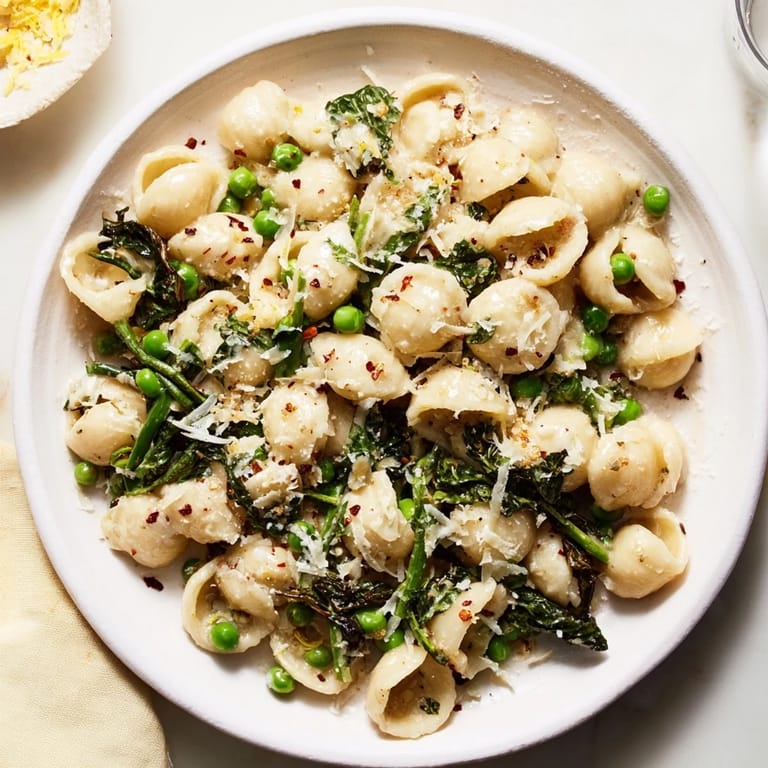
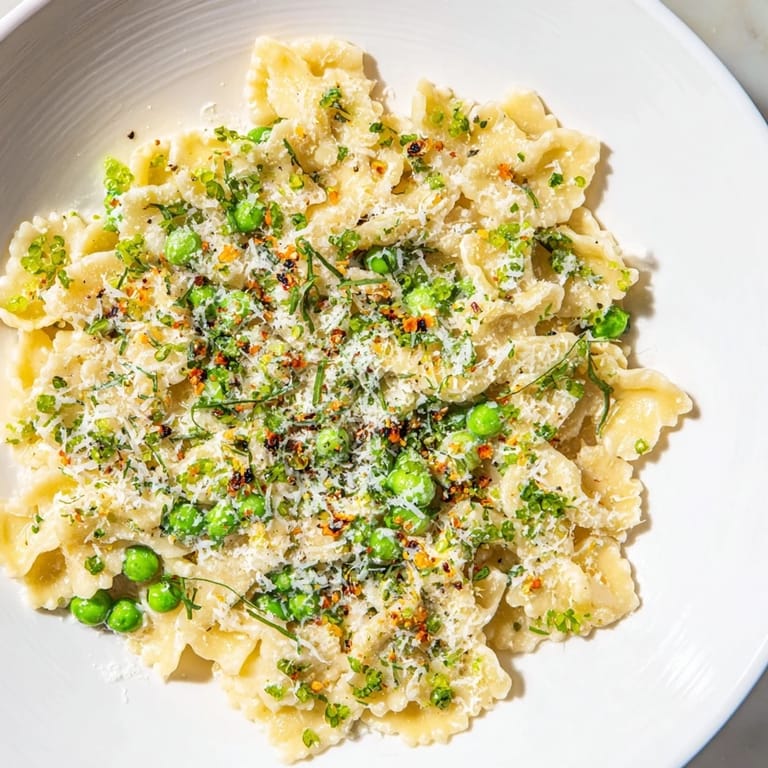
Save I threw this together on a Tuesday night when the fridge was nearly empty and everyone was hungry. All I had was a box of ditalini, some butter, garlic, and a bag of frozen peas shoved in the back of the freezer. Twenty minutes later, my kids were scraping their bowls clean and asking if we could have it again tomorrow. Sometimes the best recipes aren't planned at all.
The first time I made this, my daughter wandered into the kitchen drawn by the smell of butter and garlic sizzling in the pan. She stood on her tiptoes to peek into the skillet and said it smelled like the pasta we had at her friend's house, the fancy kind. I didn't have the heart to tell her it cost less than five dollars to make. She helped me grate the Parmesan, and we ate it straight from the skillet with forks, standing at the stove.
Ingredients
- Ditalini pasta: These tiny tubes are perfect for catching all that buttery sauce, and they cook so quickly you barely have time to chop the garlic.
- Unsalted butter: Use real butter here, not margarine. The richness is what makes this dish sing, and you can control the salt level yourself.
- Garlic cloves: Mince them finely so they melt into the butter instead of burning. I learned this after torching a whole batch and having to start over.
- Frozen peas: Do not thaw them first. Toss them in frozen so they stay bright green and sweet, not mushy and sad.
- Parmesan cheese: Freshly grated melts into the pasta like magic. The pre-shredded stuff just sits on top and never really becomes part of the dish.
- Black pepper and red pepper flakes: A little heat balances the butter and cheese, but skip the red flakes if you are feeding picky eaters.
- Fresh parsley and lemon zest: Optional, but they add a brightness that makes the whole thing taste less heavy and more intentional.
Tired of Takeout? 🥡
Get 10 meals you can make faster than delivery arrives. Seriously.
One email. No spam. Unsubscribe anytime.
Instructions
- Boil the pasta:
- Bring salted water to a rolling boil and cook the ditalini until just al dente, stirring once or twice so they don't clump. Before you drain, scoop out half a cup of that starchy pasta water. It will save your sauce if things get too dry.
- Saute the garlic:
- Melt the butter over medium heat and add the garlic, stirring constantly for about a minute. You want it fragrant and golden, not brown and bitter.
- Add the peas:
- Toss in the frozen peas straight from the bag and let them cook for two or three minutes. They will turn bright green and tender without falling apart.
- Combine everything:
- Add the drained pasta, black pepper, and red pepper flakes if using, then toss everything together. If it looks dry, add a splash of that reserved pasta water until it is glossy and coats the pasta.
- Finish with cheese and herbs:
- Pull the skillet off the heat and stir in the Parmesan, parsley, and lemon zest. Toss until the cheese melts into the sauce and everything is silky and combined.
- Taste and serve:
- Adjust the seasoning if needed, then serve immediately with extra Parmesan on top. This dish does not wait well, so eat it hot.
 Save
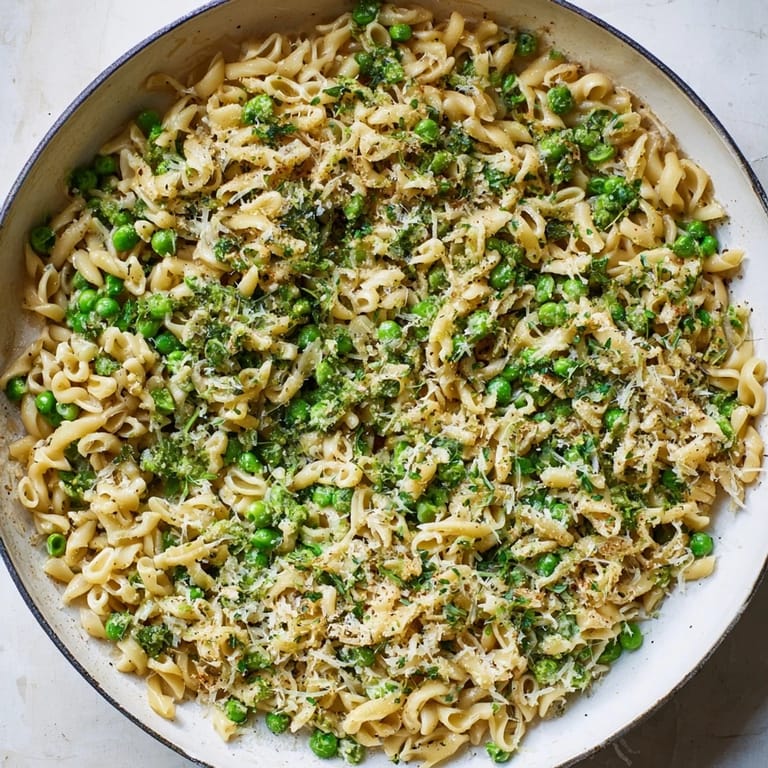
Save This became our go-to comfort meal during a particularly stressful month when nothing felt certain. We would sit around the table, twirling ditalini on our forks, and for twenty minutes everything felt simple again. Food doesn't have to be fancy to feel like home.
How to Make It Your Own
I have added leftover rotisserie chicken, diced ham, and even crispy bacon when I wanted something heartier. You can swap the ditalini for any small pasta shape you have on hand, like elbows, shells, or orzo. For a vegan version, use plant-based butter and skip the Parmesan or stir in nutritional yeast for that cheesy flavor. The lemon zest is optional, but it makes the whole dish taste brighter and less one-note.
What to Serve It With
This pasta is rich enough to be a main dish, but I usually serve it with a simple green salad dressed in lemon vinaigrette or a handful of roasted cherry tomatoes on the side. If you want to stretch it further, serve it alongside grilled chicken or a piece of crusty bread for soaking up any leftover garlic butter. It also pairs well with a crisp white wine if you are feeling fancy, or just a cold glass of water if you are not.
Storage and Reheating
Leftovers keep in an airtight container in the fridge for up to three days. The pasta will soak up the sauce as it sits, so when you reheat it, add a splash of water, milk, or even a little more butter to bring back the creamy texture. I reheat it in a skillet over low heat, stirring gently until it is warmed through and glossy again.
- Do not microwave it on high or the butter will separate and the pasta will dry out.
- If you are meal prepping, undercook the pasta slightly so it does not turn mushy when reheated.
- Add fresh Parmesan and a squeeze of lemon right before serving to brighten up the leftovers.
 Save
Save This dish reminds me that comfort does not have to be complicated. Keep the pantry stocked with good butter, garlic, and pasta, and you will always have something worth eating.
Recipe Questions & Answers
- → What type of pasta pairs best with the garlic butter sauce?
Ditalini works well due to its small tube shape, which holds the buttery sauce and peas nicely.
- → Can I use fresh peas instead of frozen?
Absolutely. Fresh peas should be added towards the end of cooking and gently sautéed until tender and vibrant.
- → How do I prevent garlic from burning when cooking?
Cook garlic over medium heat until fragrant and lightly softened, about one minute, stirring continuously to avoid browning.
- → What can I substitute for Parmesan cheese in this dish?
For dairy-free options, nutritional yeast or plant-based cheeses work well to add a savory flavor.
- → Is it possible to add protein to this dish?
Yes, cooked chicken, ham, or crispy bacon can be stirred in after tossing with the sauce for added heartiness.
- → How can lemon zest enhance the flavor?
Lemon zest adds a fresh, bright note that balances the richness of the butter and cheese complements the peas.