 Save
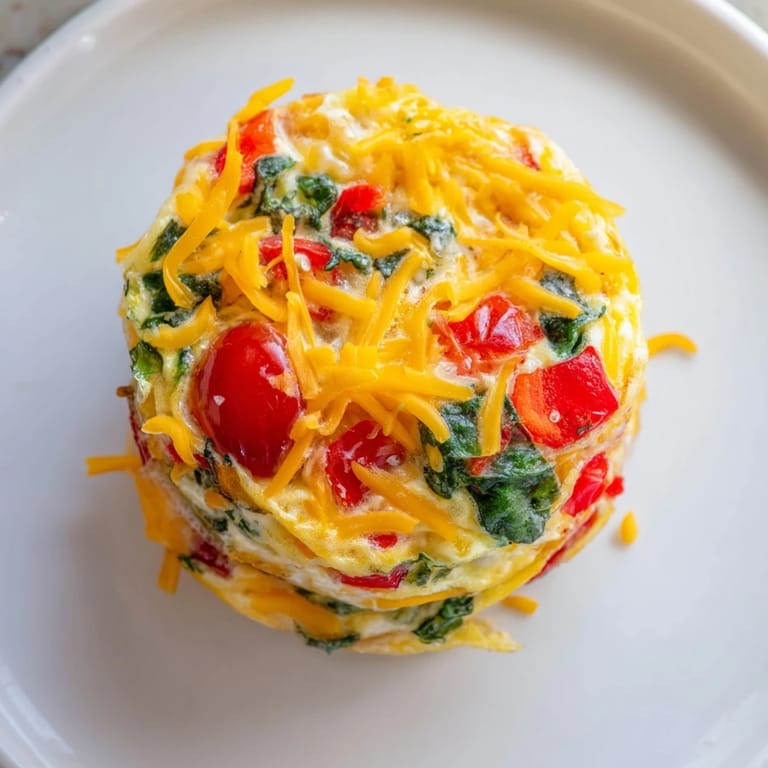
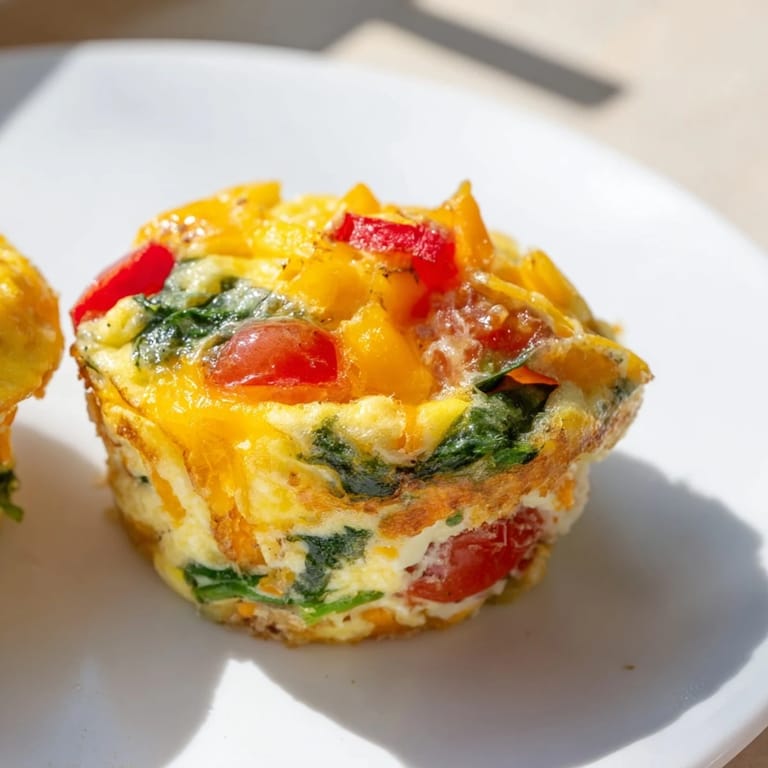
Save Last Sunday morning, I was staring down my fridge at a wilting bell pepper, some forgotten spinach, and half a dozen eggs, wondering what could save breakfast from being another tired scramble. I remembered my mom mentioning egg muffins in passing years ago, and something clicked—why not give it a try? Twenty minutes later, I pulled golden, puffed-up muffins from the oven that tasted like someone actually cared about my breakfast, and suddenly I had a week's worth of grab-and-go mornings sorted. These aren't fancy, but they taste like a small victory.
I made these for my partner's birthday morning when I wanted to feel like I'd put in effort without waking up at 5 AM. They came out of the oven still warm, and watching his face when he realized these were something I'd actually made—not just assembled—made the whole thing worth it. There's something about handing someone a homemade breakfast that says I was thinking of you without saying anything at all.
Ingredients
- Eggs: Eight large ones whisked smooth with milk create the base that transforms into something airy and light once baked.
- Milk: A quarter cup does the heavy lifting here—it makes the eggs custardy rather than dense, and dairy-free versions work just as well.
- Bell Peppers: Half a cup diced gives you color and sweetness without overpowering the egg.
- Spinach: Chop it fine so it integrates without creating chewy pockets.
- Red Onion: A quarter cup adds a subtle sharpness that people never quite identify until you tell them.
- Cherry Tomatoes: Halved tomatoes release just enough juice to keep things moist without turning the muffins soggy.
- Cheddar Cheese: Three quarters of a cup creates that melty binding agent, though feta works beautifully if you want brightness instead.
- Salt and Black Pepper: Don't skip seasoning the egg base itself—it makes all the difference in flavor.
- Optional Bacon or Sausage: Cooked and crumbled, it adds smokiness if that's your mood.
- Fresh Herbs: Parsley or chives scattered on top taste like you cared about the details.
Tired of Takeout? 🥡
Get 10 meals you can make faster than delivery arrives. Seriously.
One email. No spam. Unsubscribe anytime.
Instructions
- Set Up Your Oven and Tin:
- Heat the oven to 350°F while you grease a 12-cup muffin tin with nonstick spray or line each cup with a silicone liner. The cold muffin tin won't stick to your batter, and silicone liners are your friend if you hate peeling paper from warm muffins.
- Whisk the Base:
- Crack the eight eggs into a large bowl and whisk them together with the milk, salt, and black pepper until the mixture is smooth and slightly frothy. You're looking for a pale, uniform batter that tells you everything's properly combined.
- Add the Color and Texture:
- Fold in your diced peppers, spinach, onion, tomatoes, and cheese along with any optional mix-ins like bacon or herbs. Stir until everything is distributed evenly so no muffin ends up vegetable-heavy while another feels empty.
- Fill the Cups:
- Divide the mixture among the 12 muffin cups, filling each about three-quarters full to give the eggs room to rise without spilling over into the oven.
- Bake Until Golden:
- Slide the tin into the oven for 18 to 22 minutes, watching for the tops to turn lightly golden and the centers to feel set when you gently shake the tin. You want them firm but not rubbery.
- Cool and Release:
- Let them rest in the tin for five minutes before running a knife around each edge and popping them out. They'll come away clean and stay tender inside.
 Save
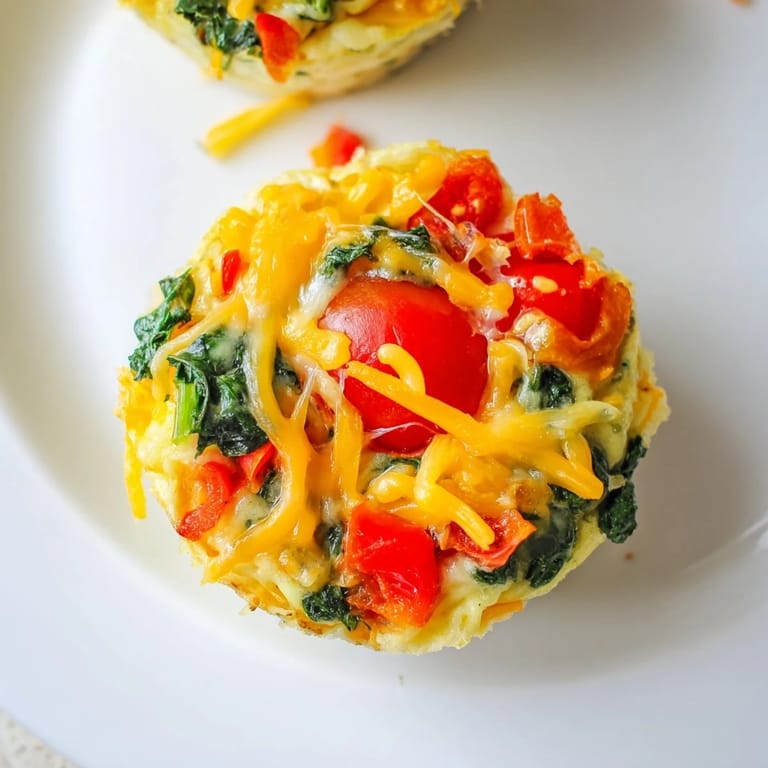
Save My neighbor stopped by one morning and I handed her one of these still warm from the toaster oven reheat, and she looked genuinely shocked that something this tasty had actually come from my kitchen. That moment of sharing something simple and warm made me realize these muffins have become my go-to way of saying I'm thinking of someone without it feeling calculated or overdone.
Making Them Your Own
The beauty of these muffins is that they're a blank canvas waiting for whatever's sitting in your fridge. I've used zucchini, mushrooms, broccoli, and even leftover roasted Brussels sprouts without a single failure. The ratios stay the same—eggs, cheese, vegetables, a splash of milk—but the personality changes entirely based on your choices. One week they might be Mediterranean with feta and spinach, the next Mediterranean-inspired with sun-dried tomatoes and basil. Your vegetable drawer literally becomes the creative director.
Storage and Reheating
I keep a batch in the fridge in a glass container, and they stay good for four days without tasting off. Cold they're almost like a savory cake; warmed in the toaster oven for five minutes they come back to life with a tender crumb. The freezer buys you even more time—up to two months if you stack them carefully and label the container with a date so you're not surprised by mystery muffins in March.
Dairy-Free and Dietary Adjustments
Swap the milk for your favorite non-dairy version and use a dairy-free cheese if you need them plant-based, and the muffins barely notice the difference. The eggs still do the binding work, the vegetables still release their flavors, and the result is just as satisfying. If you're watching ingredients, these are naturally gluten-free and vegetarian as written, making them slide easily into most dietary preferences without requiring an alternate recipe entirely.
- Oat or almond milk works better than coconut milk, which can overpower the delicate egg flavor.
- Nutritional yeast mixed with cashew cream creates a surprisingly convincing cheese-like richness if you're avoiding dairy.
- Always double-check packaged ingredients for hidden allergens if you're cooking for someone with sensitivities.
 Save
Save These muffins have become my answer to chaos—a make-ahead breakfast that tastes like actual cooking but requires almost no skill. They've changed my mornings from rushed to intentional, and that's worth the fifteen minutes of prep.
Recipe Questions & Answers
- → What vegetables work well in these egg muffins?
Diced bell peppers, spinach, red onion, and cherry tomatoes provide vibrant flavors and textures, but zucchini, mushrooms, and broccoli also make excellent additions.
- → Can I make these egg muffins dairy-free?
Yes, substitute regular milk with non-dairy alternatives and omit cheese or use dairy-free cheese options to keep them dairy-free.
- → How should I store leftover muffins?
Store leftovers in an airtight container in the refrigerator for up to four days or freeze for longer preservation. Reheat gently before serving.
- → What is the best way to prevent muffins from sticking?
Grease the muffin tin thoroughly with nonstick spray or use silicone liners to ensure easy removal after baking.
- → Can I add meat to these muffins?
Yes, cooked bacon or sausage can be added as mix-ins for extra flavor, but they can be omitted for vegetarian options.