 Save
Save The first time I made this was on a Tuesday evening when I had exactly fifteen minutes before guests arrived. I'd grabbed cream and fresh dill from the market without a real plan, just knowing I wanted something that tasted bright and elegant. That night taught me that the best dinners often come from happy accidents—turning pantry basics into something that feels like you've been cooking all day.
I'll never forget watching my dad take his first bite—he paused mid-chew, then asked for seconds before even finishing. That's when I realized this dish had something special: it's comforting enough to feel like home cooking, but refined enough to feel like a celebration.
Ingredients
- Dried pasta (350 g): Fettuccine ribbons catch the cream beautifully, but linguine and penne work just as well depending on what you have.
- Unsalted butter (2 tbsp): This is your flavor foundation, so use real butter—none of that margarine substitute business.
- Garlic (2 cloves, minced): Fresh garlic is non-negotiable here; it wakes up the entire dish and smells incredible as it hits the hot butter.
- Lemon (zest and juice): One lemon gives you brightness that keeps the cream from feeling heavy; don't skip the zest.
- Heavy cream (200 ml): The soul of the sauce—use the real thing, not whipping cream or half-and-half, if you want that luxurious texture.
- Dijon mustard (1 tsp): A small amount adds depth and stops the sauce from tasting one-dimensional.
- Parmesan cheese (40 g, grated): Freshly grated makes all the difference; pre-grated cheese never melts quite as smoothly.
- Fresh dill (3 tbsp, chopped): Add this at the very end so it stays vibrant green and herbaceous rather than cooking into submission.
- Salt and black pepper: Taste as you go; you'll be surprised how much seasoning this needs to taste right.
Tired of Takeout? 🥡
Get 10 meals you can make faster than delivery arrives. Seriously.
One email. No spam. Unsubscribe anytime.
Instructions
- Boil your pasta water generously:
- Fill a large pot and salt it until it tastes like the sea—this is your only chance to season the pasta itself. Set it to a rolling boil before the pasta goes in.
- Cook pasta to al dente:
- Follow the package time but start checking a minute early; you want a slight firmness in the center. Once drained, set aside a half cup of starchy pasta water—it's like liquid gold for loosening the sauce later.
- Build the sauce base:
- Melt butter in a large skillet over medium heat, then add minced garlic and lemon zest. Let it sizzle for just a minute until your kitchen smells incredible.
- Simmer the cream:
- Pour in the cream, lemon juice, and mustard. Let it bubble gently for two to three minutes while you watch it thicken slightly.
- Melt in the cheese:
- Add Parmesan, salt, and pepper, stirring constantly until the cheese disappears and you have a silky, smooth sauce.
- Toss pasta with sauce:
- Add your drained pasta to the skillet and toss everything together, adding splashes of reserved pasta water if the sauce seems too thick. You want it to coat every strand.
- Finish with dill and peas:
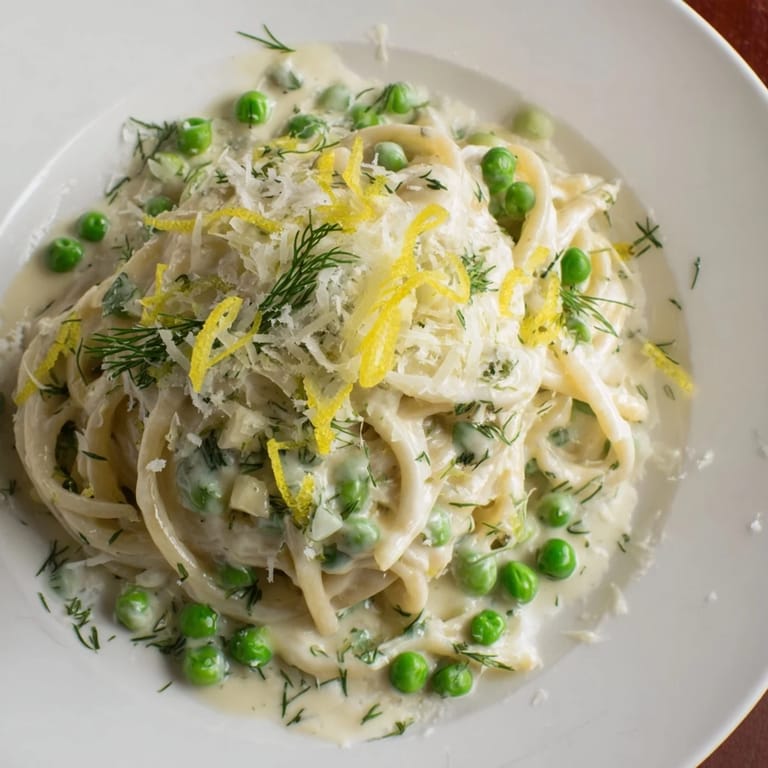
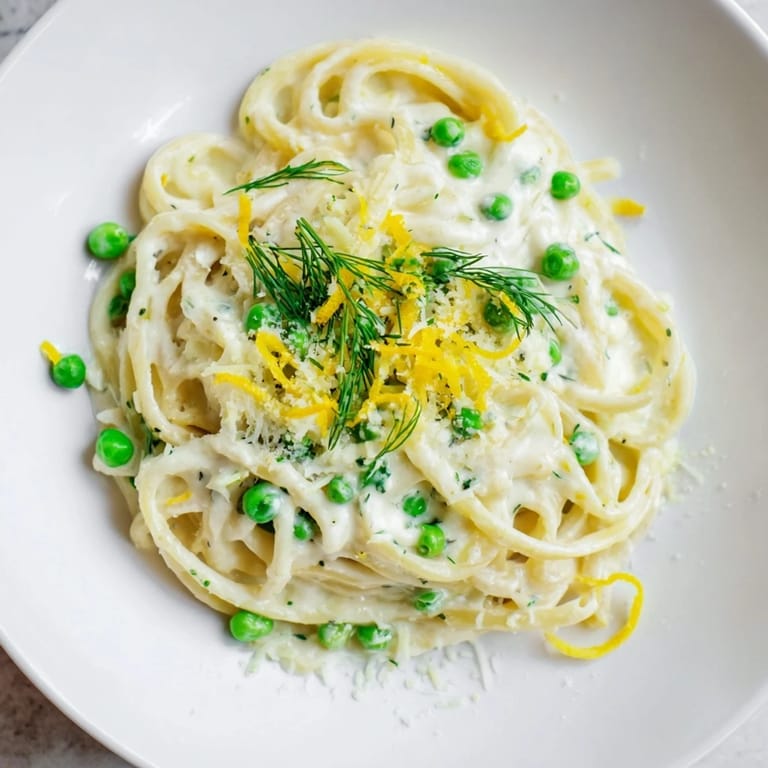
- Stir in your chopped dill and any peas right before serving so they stay bright and fresh-tasting.
 Save
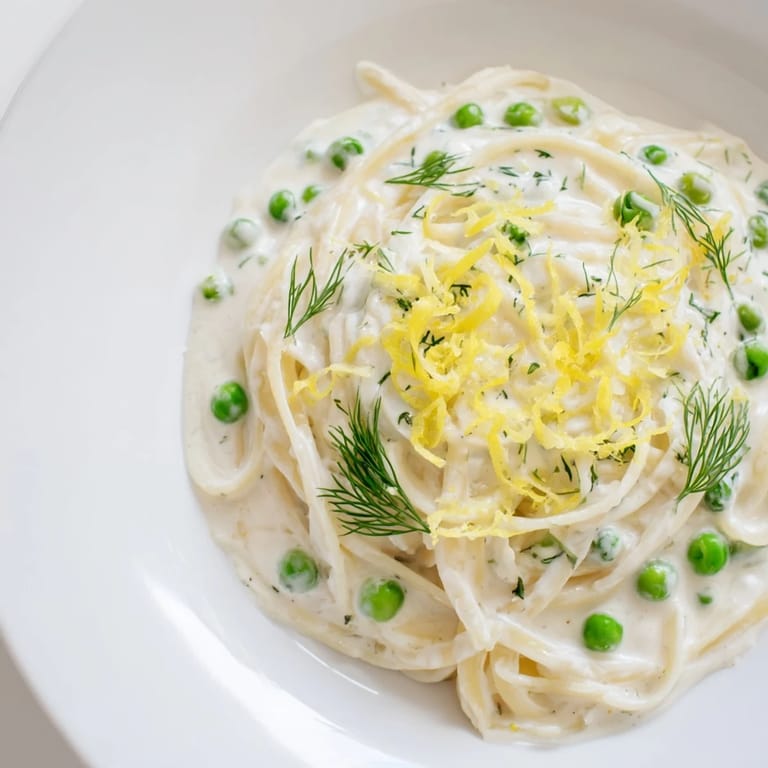
Save There's something about watching someone taste this for the first time—the way their face just relaxes. You realize it's not about complexity or fancy techniques; it's about fresh ingredients treated simply and a sauce so smooth and gentle it feels almost luxurious on the tongue.
Why Fresh Dill Changes Everything
I used to think dill was just a garnish you sprinkled on top, but this sauce convinced me otherwise. The anise-like flavor paired with lemon creates this perfect brightness that stops cream from ever feeling heavy or cloying. It's the difference between a forgettable pasta and one you actually crave.
Timing Your Ingredients Right
The hardest lesson I learned was cooking everything in sequence rather than rushing. Your garlic needs a full minute to become fragrant before the cream goes in; your sauce needs time to thicken slightly before the pasta arrives. Patience here isn't about waiting—it's about letting flavors develop.
Ways to Make It Your Own
This base is forgiving enough to play with. Some nights I add sautéed mushrooms or asparagus for texture and earthiness. Other times I toss in peas right at the end for sweetness and color. The sauce stays creamy and elegant no matter what you add to it.
- Smoked salmon flakes over the top add protein and a subtle smokiness if you're not strictly vegetarian.
- Freshly shaved Parmesan on the plate looks more elegant than grated cheese stirred into the sauce.
- A splash of good white wine in the sauce adds complexity if you want to deepen the flavor.
 Save
Save This pasta has quietly become one of my most requested dishes, not because it's complicated, but because it tastes like someone actually cares. Make it once and it becomes part of your regular rotation.
Recipe Questions & Answers
- → What pasta types work best with the creamy dill sauce?
Long shapes like fettuccine, linguine, or penne hold the sauce well, allowing the cream and dill to coat each strand or piece evenly.
- → How can I adjust the sauce thickness?
Reserve some pasta water while cooking and add it gradually to the sauce to achieve a silky, smooth texture without thinning it too much.
- → Can I substitute the heavy cream?
Yes, using half-and-half or a lighter cream option gives a less rich but still creamy sauce, maintaining smoothness and flavor balance.
- → What flavors does fresh dill contribute?
Dill adds a fresh, slightly tangy and herbal note that brightens the richness of the cream and lemon, enhancing the overall profile.
- → Are there suggestions for additional ingredients?
Add peas for sweetness and texture or smoked salmon for a smoky, savory twist that complements the creamy, lemony sauce.