 Save
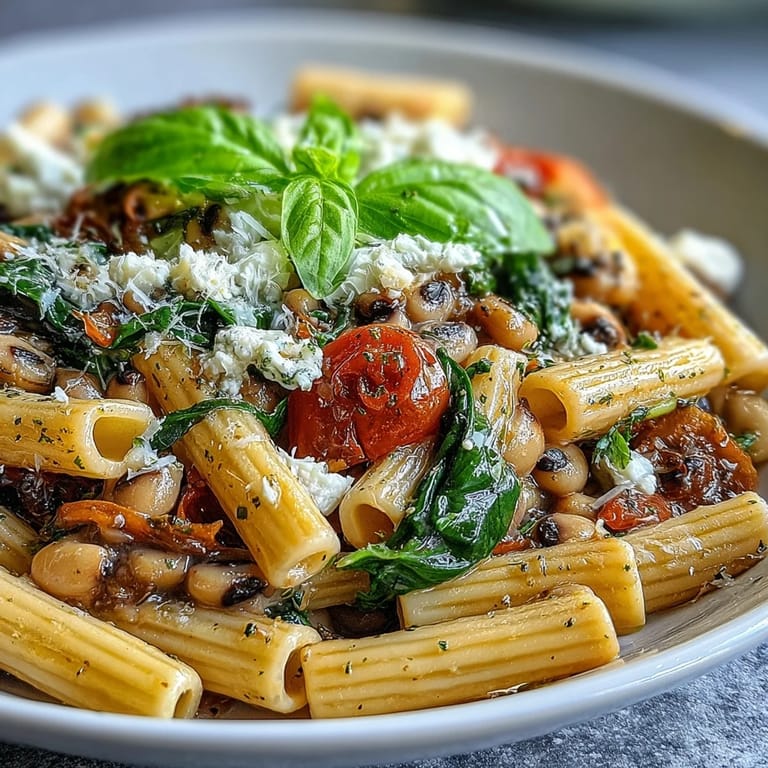
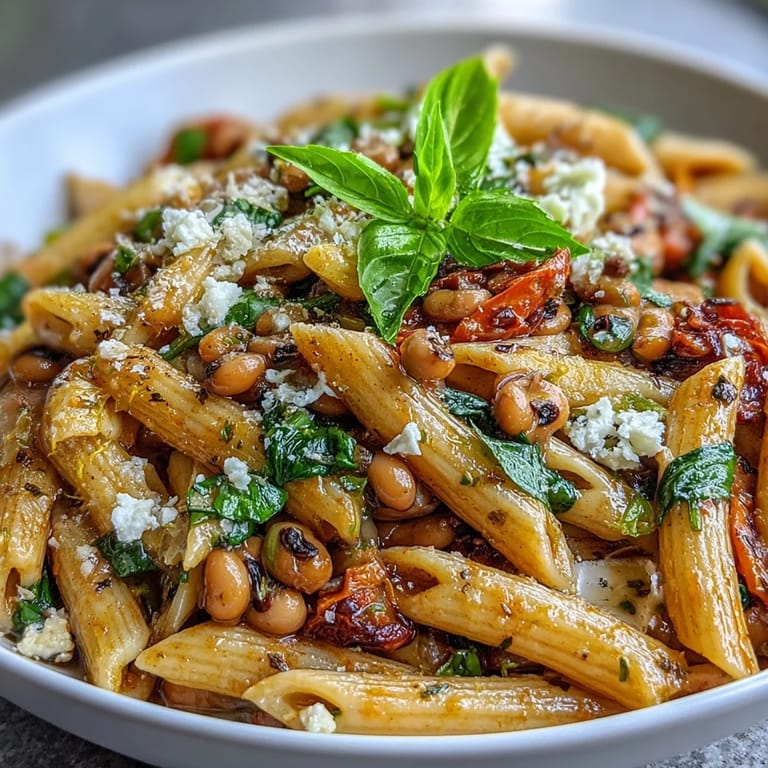
Save There's something wonderfully unpretentious about black-eyed peas—they don't demand much attention, yet somehow they transform the simplest ingredients into something that tastes like you've been stirring a pot all afternoon. I discovered this pasta while standing in my kitchen on a Tuesday evening, staring at a half-empty pantry and a can of black-eyed peas that had been sitting there for weeks. What emerged was bright, garlicky, and so naturally satisfying that I've been making it ever since, each time tweaking it based on whatever herbs are thriving on my windowsill.
I made this for my neighbor last spring when she'd just moved in, and we ended up talking through dinner about her garden plans while the smell of garlic and oregano filled her still-empty kitchen. She asked for the recipe immediately, not because it was fancy, but because it tasted like someone cared about getting the flavors right. That's when I realized this dish has a quiet charm that makes people feel welcomed.
Ingredients
- Short pasta (300 g): Penne, fusilli, or farfalle all work beautifully because their shapes catch the olive oil and herbs, and they hold their texture without turning to mush.
- Black-eyed peas (1 can, drained and rinsed): These humble legumes are mild enough to let other flavors shine while adding substance and a gentle earthiness that feels substantial.
- Extra-virgin olive oil (3 tablespoons): This is where the dish starts, so use something you actually enjoy—it's the backbone of everything that follows.
- Garlic cloves (3, finely sliced): Slicing rather than mincing gives you little pockets of garlic flavor throughout, and they'll turn golden and sweet as they cook.
- Red onion (1 small, thinly sliced): The sharpness mellows as it cooks, and the color adds visual brightness that matters more than you'd think.
- Fresh oregano or dried (1 tablespoon or 1 teaspoon): Fresh herbs are a luxury, but dried oregano does the job faithfully if that's what you have on hand.
- Cherry tomatoes (1 cup, halved): They soften into a loose sauce as they cook, releasing their sweetness without needing any tomato paste or canned tomato drama.
- Baby spinach (1 cup): It wilts in seconds at the end, adding iron and a whisper of green without changing the dish's personality.
- Sea salt and black pepper: Taste as you go—some pasta water is saltier than others, and your judgment matters more than any measurement.
- Red pepper flakes (1 pinch, optional): A tiny amount gives a gentle warmth that makes people wonder what you did differently without tasting spicy.
- Lemon (½, zest and juice): Added at the very end, lemon is what makes this feel Mediterranean rather than just, well, pasta with beans.
- Feta cheese (50 g, crumbled, optional): It adds a salty tang, but the dish is complete without it if that's not your thing.
Tired of Takeout? 🥡
Get 10 meals you can make faster than delivery arrives. Seriously.
One email. No spam. Unsubscribe anytime.
Instructions
- Start your pasta water:
- Fill a large pot with water, salt it generously (it should taste like the sea), and bring it to a rolling boil. There's something satisfying about the moment when the water hits that stage where bubbles are urgently pushing to the surface.
- Cook the pasta to al dente:
- Add your pasta and stir it once or twice in the first minute so nothing sticks to itself. Keep an eye on the clock and taste a strand a minute or two before the package says it's done—you want it tender but still with a tiny bit of resistance when you bite it. Reserve about ¼ cup of the cooking water before you drain everything, because that starchy water is your secret weapon for making the sauce cling to the pasta.
- Build your aromatics:
- While the pasta is cooking, pour the olive oil into a large skillet over medium heat and let it warm until it shimmers. Add your sliced garlic and red onion, and listen for that gentle sizzle—it means everything is heating through properly.
- Soften the tomatoes:
- After the garlic and onion have been in there for 2 to 3 minutes and smell incredible, add your halved cherry tomatoes. Stir occasionally and let them cook until they start to split and release their juice, which takes about 3 to 4 minutes.
- Welcome the black-eyed peas:
- Add your drained black-eyed peas along with the oregano, salt, pepper, and red pepper flakes if you're using them. Give everything a good stir and let it all warm together for about 2 minutes so the flavors start to know each other.
- Bring it all together:
- Add your cooked pasta and that reserved cooking water to the skillet, and toss everything so the pasta gets coated and mingles with the vegetables. The starchy water will help create a light sauce that binds everything together.
- Wilt the spinach:
- Add the baby spinach and stir gently for about a minute—it will soften and tuck itself into the warm pasta without any fuss.
- Finish with brightness:
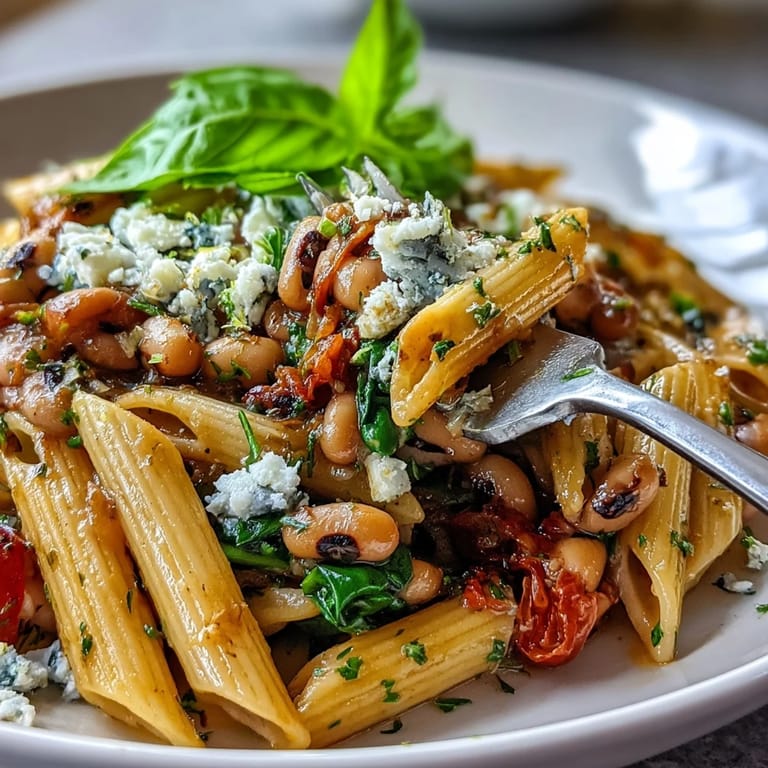
- Remove the skillet from heat and stir in the lemon zest and juice, along with your fresh parsley and basil. Taste it now and adjust the salt or pepper if needed, because you know your palate better than any recipe does.
 Save
Save I learned something important while making this dish repeatedly: it's one of those meals that tastes better when you've made it without overthinking it. The simplicity is the point—fresh ingredients, proper timing, and knowing when to stop fussing.
Why Black-Eyed Peas Are Quietly Brilliant
Black-eyed peas occupy this lovely middle ground where they're hearty enough to make a meal feel substantial, but mild enough that they don't overpower anything else on the plate. They've been feeding people across cultures for centuries, and there's real wisdom in that longevity. In this dish, they're not trying to be meat or make a statement—they're just contributing their earthiness and nutrition while letting the olive oil, garlic, and herbs do the talking.
The Mediterranean Touch
What makes this feel Mediterranean rather than just another pasta dish is the combination of fresh herbs, quality olive oil, and that finishing squeeze of lemon juice. These aren't expensive or complicated ingredients, but together they create something that tastes like you've understood something essential about cooking. The red onion adds a sharpness that's distinctly Southern, while the cherry tomatoes and basil bring that Aegean island feeling that everyone seems to crave.
Making It Work For Your Life
This recipe is honest about what it is: a quick, nourishing dinner for people who want flavor without drama. You can multiply the recipe easily if you're feeding a crowd, or cut it in half if it's just you with leftovers in mind. The beauty of this dish is that it doesn't ask you to be someone you're not in the kitchen.
- Make it vegan by skipping the feta entirely or using a plant-based version if you want that salty contrast.
- Add grilled chicken, shrimp, or roasted chickpeas if you need more protein or want to shift the focus.
- Don't be shy about tasting as you go—seasoning is personal, and you might love it with more lemon or less salt than the recipe suggests.
 Save
Save This is the kind of dish that tastes better the more you make it, because you start to understand where your preferences lie and you adjust without thinking. Enjoy it with someone you care about or just for yourself on a Tuesday when you deserve something good.
Recipe Questions & Answers
- → What pasta types work best for this dish?
Short pasta shapes like penne, fusilli, or farfalle complement the textures and flavors, holding the sauce and ingredients well.
- → Can I prepare this dish vegan?
Yes, omit the feta cheese or substitute with plant-based alternatives to keep it vegan-friendly without compromising flavor.
- → How do I enhance the flavor of black-eyed peas here?
Sautéing peas with garlic, red onion, fresh herbs, and chili flakes enhances their natural earthiness and adds depth to the dish.
- → What is the best way to achieve al dente pasta?
Cook the pasta in plenty of salted boiling water just until firm to the bite, then drain promptly to avoid overcooking.
- → Can this dish be adapted for gluten-free diets?
Absolutely, simply substitute the pasta with certified gluten-free varieties and follow the same cooking method.