 Save
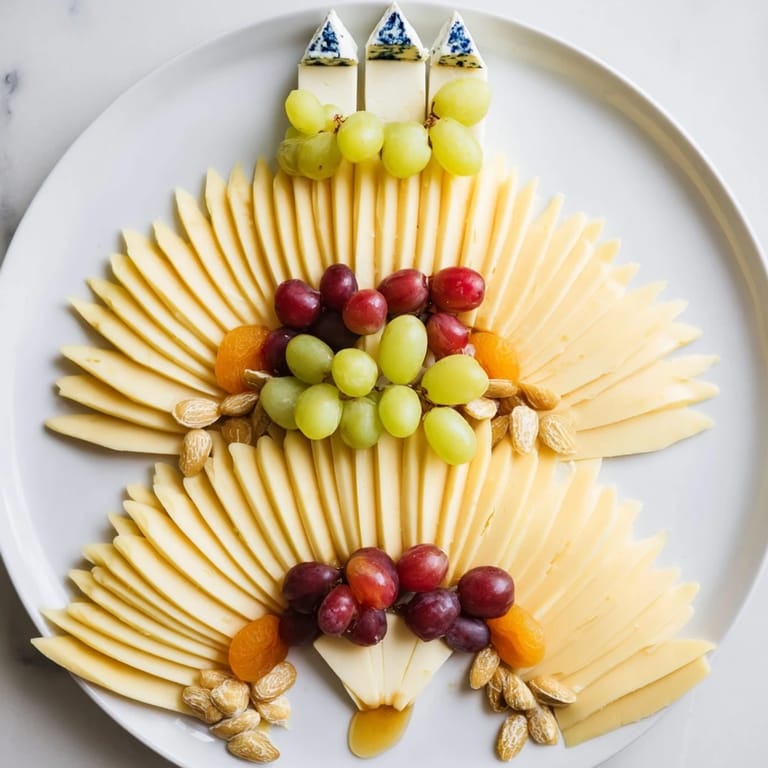
Save I discovered the magic of geometric food design at a gallery opening in the city, where a stunning Art Deco exhibition had me mesmerized by all those gleaming angles and symmetrical arches. Walking home that evening, I couldn't stop thinking about how those 1920s aesthetics might translate to something I actually make—a cheese platter that felt like architecture on a board. The idea obsessed me for days until I finally decided to stop admiring and start arranging, pulling together cheeses and fruits to echo those iconic skyscraper silhouettes. That first attempt was clumsy, sure, but something clicked when I realized that overlapping thin slices could actually mimic those fan-shaped Art Deco arches. Now every time I build one, I feel like I'm creating a tiny edible monument.
The first time I served this to my book club, everyone stopped mid-conversation when I set it down, and someone actually gasped—not because the cheese was particularly fancy, but because it looked intentional, like I'd brought art to the table. Someone asked if I'd had it professionally done, which honestly made my night. We ended up spending more time arranging grapes in the gaps and discussing what the blue cheese triangles reminded us of than we did talking about the actual book. It became the thing people brought up for months afterward, which felt oddly validating for what was essentially me playing with my food.
Ingredients
- Aged cheddar (150 g, sliced thin): The backbone of your arches—sharp enough to hold its own visually and flavor-wise, without overpowering delicate palates.
- Gruyère (150 g, sliced thin): Nutty and sophisticated, this cheese gives you that refined touch while the slices hold their shape beautifully in a fan.
- Manchego (150 g, sliced thin): A touch of Spanish flair that adds complexity; its firm texture makes clean, crisp fans easier to achieve.
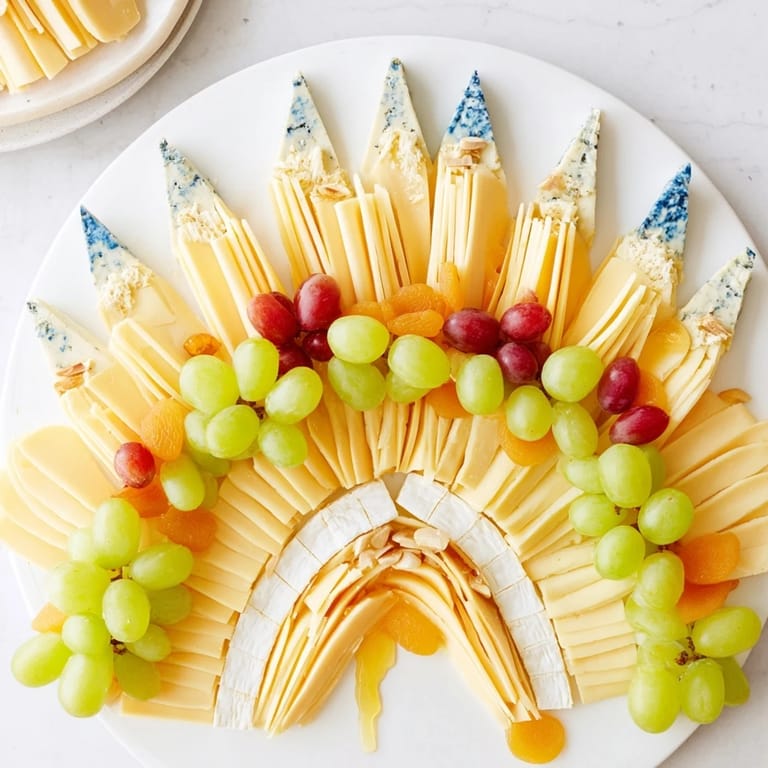
- Creamy brie (120 g, sliced into wedges): The soft anchor at the base of each arch, representing the solid foundations of Art Deco buildings.
- Blue cheese (100 g, cut into small triangles): Bold, peppery punctuation marks at the top—they catch light and mimic those pointed skyscraper crowns.
- Seedless green and red grapes: Jewel-like color breaks that fill negative space and add refreshing contrast to the richness.
- Pear and apple (thinly sliced): Provide gentle sweetness and pale, fresh tones that soften the depth of the cheeses; slice just before serving so they don't brown.
- Roasted almonds and dried apricots: Textural surprises scattered throughout—the almonds add crunch, apricots bring chewy sweetness.
- Honeycomb or good quality honey: A drizzle near the brie acts as both a visual and flavor bridge, sweet against savory.
- Baguette slices and assorted crackers: The vehicles for tasting; choose sturdy ones that won't crumble under the weight of cheese.
Tired of Takeout? 🥡
Get 10 meals you can make faster than delivery arrives. Seriously.
One email. No spam. Unsubscribe anytime.
Instructions
- Slice Your Cheeses Thin and Even:
- Use a wire cheese slicer if you have one—it makes all the difference between floppy, torn slices and clean, geometric ones that stack beautifully. Work slowly and let the tool do the work; you'll feel the difference immediately.
- Build Your First Arch:
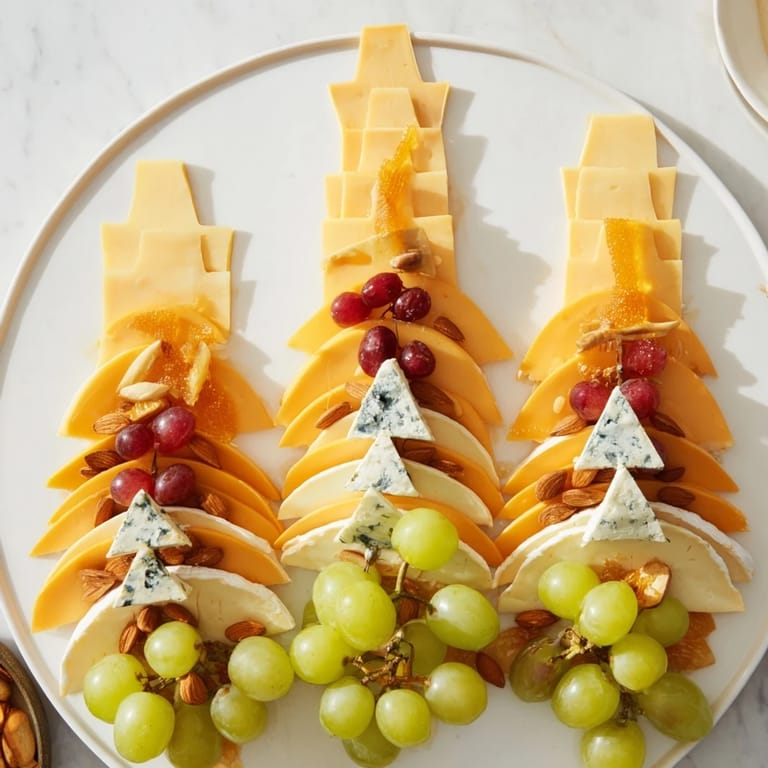
- Starting at the base of your platter, overlap your cheddar slices in a gentle fan pattern, each one catching the light at a slightly different angle. Picture the stepped silhouette of a 1920s skyscraper and let that guide your hands.
- Repeat for the Second and Third Arches:
- Space them symmetrically across your platter, then layer Gruyère and Manchego in the same overlapping fan technique, creating a rhythm of color and texture. Step back and adjust as you go—it's all about that balanced geometry.
- Anchor with Brie:
- Tuck wedges of brie at the base of each arch, letting their creamy texture provide visual contrast to the firm sliced cheeses. These wedges should feel like the solid limestone foundations holding up everything else.
- Crown with Blue Cheese:
- Place small blue cheese triangles at the apex of each arch—sharp, decisive, pointing upward like those iconic Art Deco crown jewels. The bold color and clear edges will anchor the whole composition.
- Fill the Negative Space:
- Nestle grape clusters, pear slices, and apple slices into the gaps between arches, creating pockets of color and freshness that balance the richness. This is where you get to play—no two platters look exactly alike.
- Scatter Almonds and Apricots:
- Distribute them artistically across the platter, aiming for visual variety rather than strict symmetry at this point. These small elements add dimension and invite guests to snack while admiring.
- Add the Honey Drizzle:
- Drizzle honeycomb or honey near the brie—it catches the light beautifully and gives people a natural place to dip their crackers. Let it pool slightly; it looks more intentional that way.
- Arrange Crackers and Bread:
- Line the edges of the platter with baguette slices and assorted crackers, leaving them easily accessible without overcrowding the cheese architecture. They're the supporting cast in this edible art show.
 Save
Save There's a moment, just after you've placed the final blue cheese triangle and stepped back to see it all come together, when you realize you've made something that feels bigger than the sum of its parts. That's when the platter stops being about cheese and becomes about the memory someone will have standing around it, about conversations that happen because something beautiful invited people to linger. It's a small alchemy, but it matters.
The Art of Cheese Slicing
The quality of your slices genuinely changes everything, and I learned this the hard way by struggling with a dull knife and a shaky hand. A wire slicer creates uniform, thin slices that catch light and stack without tearing or slipping out of place. Once you feel the satisfying glide of a proper tool through firm cheese, you'll understand why this step isn't just technique—it's the foundation of the whole design. Practice makes your hands steadier and your confidence higher.
Cheese Substitutions and Personal Taste
Not every cheese collection will match this exact recipe, and honestly, that's the beauty of it—your platter should reflect what makes your palate happy. If you love Comté more than Manchego, use Comté; if aged Gouda calls to you, answer that call. The architectural principle remains the same regardless of which firm, sliceable cheeses you choose. Just aim for a mix of textures and intensities so the platter feels layered and interesting rather than one-note.
Bringing It Together: Timing and Presentation
Timing is your secret weapon here—assemble no more than an hour before guests arrive so everything stays fresh and the colors don't fade. The moment of arrangement itself becomes a small ritual, a chance to think about proportion and balance while your hands move almost automatically. Step back frequently to check your work from different angles; what looks balanced up close might need tweaking from across the room.
- Slice your fruit last—brown oxidation happens faster than you think, so hold off until 15 minutes before serving.
- Keep a damp towel nearby to wipe your hands; it makes handling delicate slices so much easier and prevents smudges.
- If you're nervous about the geometry, lightly sketch faint guidelines with a toothpick before you start arranging—no one will see them, but they'll calm your mind.
 Save
Save Building an Art Deco cheese platter is really about permission—permission to play, to arrange things just so, to make dinner feel like a small celebration before anyone even takes a bite. Every time you make it, you get better at seeing the geometry and trusting your instincts about where things belong.
Recipe Questions & Answers
- → How do I create the signature arch shapes with cheese?
Slice cheddar, Gruyère, and Manchego thinly and overlap them in tiered fans to form three symmetrical arches on your platter.
- → What cheeses complement the Art Deco arrangement?
Aged cheddar, Gruyère, Manchego, creamy brie, and blue cheese create contrasting flavors and textures that suit the visual design.
- → Can I substitute any ingredients for dietary preferences?
Yes, plant-based cheeses can replace dairy varieties, and honey may be omitted or replaced with vegan alternatives.
- → How should accompaniments be arranged on the platter?
Place grapes, sliced pears, and apples between the cheese arches, scatter roasted almonds and dried apricots artistically, and drizzle honeycomb near the brie.
- → What pairs well to serve alongside this cheese display?
A crisp Champagne or dry Riesling complements the sophisticated flavors and 1920s theme beautifully.